

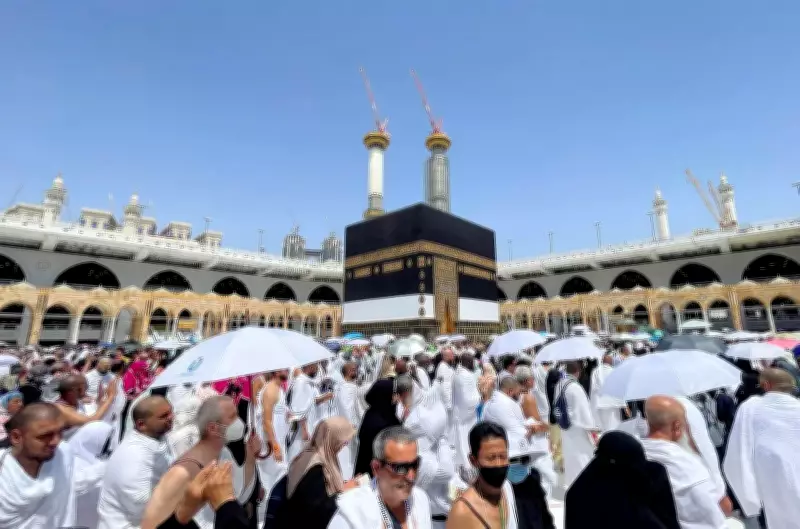
Saudi Arabia Ramps Up Preparations for Hajj 2026 with Digital Innovations and Early Planning
Saudi Arabia has significantly accelerated its preparations for Hajj 2026, corresponding to the Islamic year 1447 AH, by introducing a comprehensive suite of measures designed to streamline the pilgrimage experience for millions of participants. The kingdom has rolled out earlier visa processing, enforced stricter timelines, and implemented a fully digital management system to enhance coordination and safety. According to official schedules, the Hajj rituals are projected to occur from May 24 to May 29, 2026, with international pilgrim arrivals slated between April 18 and May 21, marking a structured approach to accommodate the massive influx.
Early Visa Issuance and Tightened Booking Deadlines
In a pivotal shift from previous years, the Saudi Ministry of Hajj and Umrah commenced issuing visas as early as February 8, 2026, several months ahead of the pilgrimage. This early rollout is strategically aimed at improving logistical coordination and mitigating last-minute travel disruptions that have historically plagued the event. Concurrently, Saudi authorities have imposed rigorous booking timelines, directing governments and private operators worldwide to finalize arrangements well in advance. This mandate is crucial for securing essential services such as accommodation and transportation, ensuring a smoother operational flow during the peak season.
Nusuk Platform: The Central Digital Hub for Pilgrims
For Hajj 2026, Saudi Arabia has designated the Nusuk platform as the central digital system overseeing the entire pilgrimage process. This unified platform consolidates all aspects, from visa applications to on-ground services, thereby eliminating the need for multiple intermediaries and reducing the risk of fraud. Pilgrims can utilize Nusuk to register, book, and manage key components of their journey, including:

- Accommodation in Mecca and Medina
- Intercity transport between holy sites
- Guided service packages from approved providers
One of the most anticipated features is the ability to book limited-slot permits for visits to the Rawdah (Riyaz ul Jannah) at the Prophet’s Mosque in Medina, which must be reserved ahead of time. The platform also enables users to select official Hajj packages, arrange airport transfers, access permits for ritual locations, and track application statuses, payments, and documentation. Authorities emphasize that this digital transformation enhances transparency and combats fraudulent activities, especially after actions were taken against nearly 1,800 foreign travel agencies for service violations. As of recent updates, over 1.2 million pilgrims have already registered or initiated applications globally, indicating robust demand, with final participation expected to surpass 2 million, mirroring pre-pandemic levels.
Strict Deadlines and Enhanced Crowd Management
Saudi Arabia has tightened regulations surrounding the transition from Umrah to Hajj to better manage crowds and prevent unauthorized stays. The government has established clear cut-off dates for Umrah pilgrims, ensuring that only registered Hajj participants remain in the country during peak days. Officials stress that these measures are vital for maintaining safety in Mecca and Medina, where millions congregate within a short timeframe. This year’s focus includes stricter enforcement, with authorities monitoring entry, exit, and accommodation records through integrated digital systems. The broader regulatory framework also involves improved licensing rules for hotels and transport providers, guaranteeing that only approved operators serve pilgrims during the season.

Travel, Flights, and Hotel Accommodation Insights
From a travel perspective, Hajj 2026 is anticipated to be more organized yet slightly more complex due to tighter controls and global uncertainties. Airlines across the Gulf and South Asia have begun adjusting schedules to accommodate the early travel window, with additional Hajj flights likely to be introduced closer to departure dates. However, ongoing regional tensions, particularly involving the United States and Iran, have prompted some airspace adjustments. Aviation experts note that while flights are unlikely to be cancelled, rerouting and minor delays may occur, especially on routes crossing sensitive zones.
Hotel accommodation in Mecca and Medina is undergoing stricter regulation this year, with Saudi authorities introducing a seasonal licensing system to uphold quality standards. This could result in limited availability and slightly higher prices in prime areas near the Grand Mosque. Pilgrims are advised to finalize bookings early, rely solely on authorized platforms like Nusuk, and maintain flexibility in travel plans. Those traveling from Gulf countries such as the UAE, Qatar, and Oman may benefit from shorter travel times but must still adhere to the same stringent documentation and scheduling requirements.
Implications for Pilgrims and Broader Trends
For Gulf-based pilgrims, the 2026 Hajj season offers enhanced planning tools but demands greater discipline. The early visa rollout and digital systems promise increased efficiency, yet missing deadlines or failing to meet requirements could lead to disqualification. Saudi Arabia’s approach reflects a broader shift toward a tech-driven, tightly regulated pilgrimage system, aimed at improving safety and managing record participation levels. Simultaneously, evolving geopolitical conditions necessitate that travelers remain vigilant to advisories and plan with extra caution, underscoring the importance of proactive preparation in this transformative era for Hajj management.





