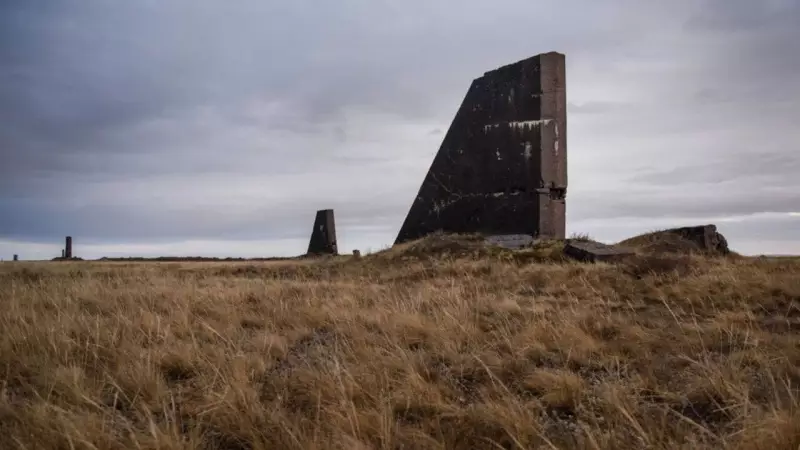
The Secret Nuclear Wasteland: Semipalatinsk's Hidden History
While some cities gradually fade from memory over centuries, others are deliberately erased from existence through human actions. Deep in the heart of Central Asia lies one of the most chilling symbols of Cold War-era secrecy—a region that was systematically removed from maps after being transformed into the most intensely nuclear-bombarded location on our planet.
From Soviet Secrecy to Global Revelation
For decades, this area remained hidden as a tightly controlled Soviet zone, with its true nature concealed from the world. Only after the collapse of the USSR did the shocking reality emerge: what appeared as a blank testing zone on official documents was actually home to thousands of people living unknowingly beneath the shadow of history's most ambitious nuclear testing program.
The Semipalatinsk Test Site, located in eastern Kazakhstan, holds the grim distinction of being the most bombed place on Earth. Soviet physicists conducted an astonishing 456 nuclear explosions between 1949 and 1989—a staggering number that represents a significant portion of all nuclear tests ever conducted globally.

The Illusion of Isolation and Its Human Toll
During the Cold War's peak, secrecy surrounding Semipalatinsk was absolute. The location vanished from maps and official records, creating an illusion of complete isolation. Yet this remoteness was deceptive—villages surrounded the testing area, and a city of over one million people stood just 160 kilometers away.
The human cost of making Semipalatinsk the world's most nuked site remains devastating. The Soviet government conducted atmospheric and underground nuclear tests with minimal warning to nearby settlements, exposing approximately 1.5 million people to radioactive fallout. Residents received no information about health dangers or evacuation procedures.
The consequences emerged over time:
- Dramatic increases in cancer cases among local populations
- Rising instances of birth deformities and chronic diseases
- Pregnant women, children, and entire families caught in radioactive clouds
- Medical studies revealing widespread genetic mutations
- Elevated disease risks persisting among those nearest testing fields
Atomic Lake: A Surreal Legacy of Nuclear Testing
One of Semipalatinsk's most haunting remnants is Lake Chagan, commonly called Atomic Lake. Created in 1965 when an underground nuclear explosion carved a massive crater approximately 100 meters deep and 400 meters wide, this body of water formed as precipitation gradually filled the depression.
The lake presents a disturbing paradox:
- Radiation levels remain about 100 times higher than safe limits
- Warning signs surround the area despite its deceptively calm appearance
- Some locals continue fishing and swimming there due to necessity or disbelief
What Atomic Lake Reveals About Nuclear Damage Across Generations
Decades after the final nuclear explosion, Atomic Lake continues to attract explorers, documentary filmmakers, and scientists. Its haunting history and unique topography have transformed it into a powerful symbol of humanity's nuclear age—captured in numerous documentaries showing people swimming and fishing in its radioactive waters.
The lake serves as a living laboratory for researchers studying:
- Long-term radiation exposure effects
- Environmental recovery from nuclear damage
- Concerns about potentially irreversible ecological harm
Studies indicate approximately 200,000 people have suffered health effects from radiation exposure at Semipalatinsk, with research showing elevated genetic mutation rates in subsequent generations. For years, Soviet authorities downplayed or concealed these impacts, with the true scale of the disaster only emerging after Kazakhstan gained independence.
The story of Semipalatinsk stands as a sobering reminder of how geopolitical conflicts can permanently alter landscapes and human lives, creating legacies that persist long after political tensions have eased.