

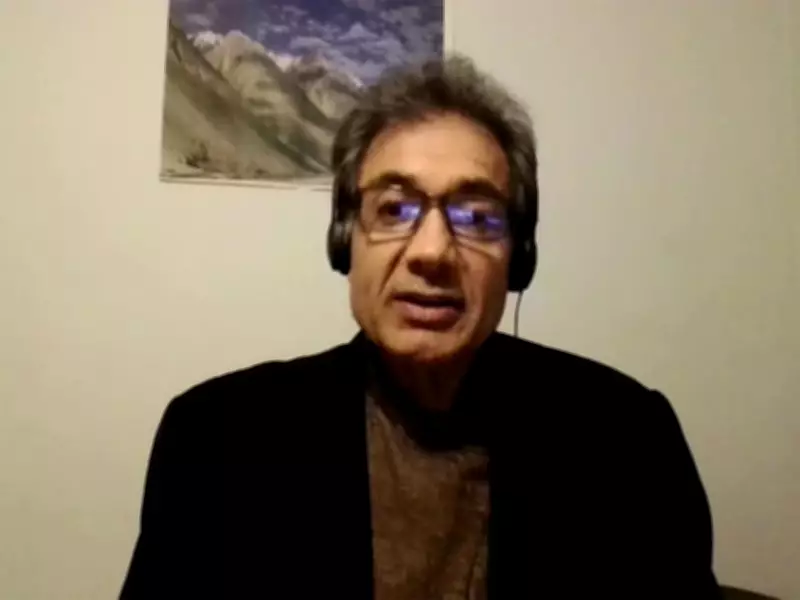
In a sharp and unequivocal condemnation, Senge Sering, a well-known human rights activist and president of the Institute for Gilgit-Baltistan Studies, has labeled Kashmir Solidarity Day as a profound symbol of hypocrisy. This annual event, observed on February 5th, is intended to express support for the people of Kashmir, but Sering argues it serves as a mere facade that obscures Pakistan's own human rights abuses in the region.
Exposing Alleged Double Standards in Kashmir Advocacy
Sering's critique centers on what he perceives as Pakistan's contradictory stance. While the nation publicly champions the cause of Kashmiris on this day, he points to numerous reports and allegations of severe human rights violations in areas under Pakistan's control, such as Gilgit-Baltistan and Pakistan-occupied Kashmir (PoK). According to Sering, these include issues like political suppression, economic marginalization, and cultural erosion, which he claims are systematically ignored or downplayed by Pakistani authorities.
The Reality Behind the Rhetoric
Delving deeper, Sering emphasizes that Kashmir Solidarity Day often features grand gestures and speeches in Pakistan, yet fails to address the plight of those living in Gilgit-Baltistan and PoK. He cites instances where local populations have reportedly faced restrictions on freedom of expression, limited access to resources, and a lack of genuine political representation. This, he asserts, reveals a stark disconnect between Pakistan's proclaimed solidarity and its actions on the ground.

Sering's remarks come at a time of heightened tensions in the region, with ongoing disputes between India and Pakistan over Kashmir. By calling out this hypocrisy, he aims to shift the narrative towards a more comprehensive understanding of human rights issues across all parts of Kashmir, rather than focusing solely on areas contested with India.
Implications for Regional Discourse
The activist's statements are likely to resonate with international human rights organizations and observers who have long criticized Pakistan's policies in these regions. Sering advocates for a more transparent and accountable approach, urging global communities to look beyond symbolic days and demand concrete improvements in governance and rights protections. His critique underscores the need for a balanced perspective that acknowledges complexities often overlooked in polarized debates.
In summary, Senge Sering's bold declaration challenges the very foundation of Kashmir Solidarity Day, framing it not as a genuine expression of support, but as a hypocritical gesture that masks deeper injustices. This perspective adds a critical layer to ongoing discussions about Kashmir, prompting reflections on authenticity and accountability in international advocacy.






