

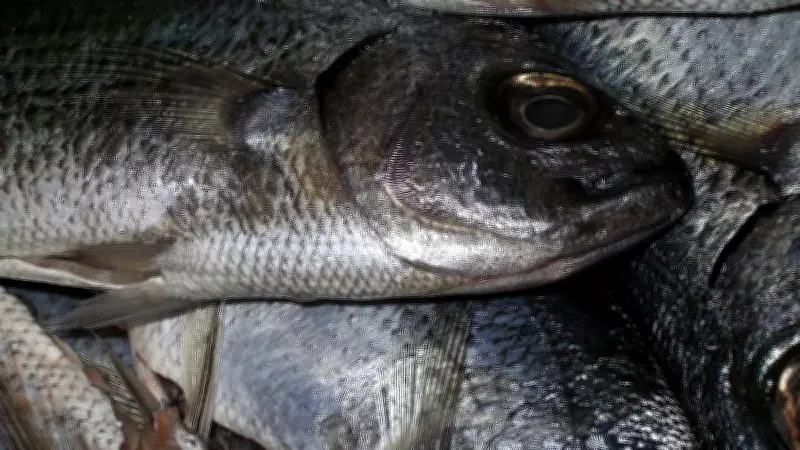
Untreated Sewage and Water Stagnation Blamed for Fish Kill Near Mangaluru
Environmental officials have identified untreated sewage discharge and severe water stagnation as the primary causes behind a distressing incident of mass fish deaths in water bodies near Mangaluru, Karnataka. The event has sparked significant alarm among local communities and environmentalists, highlighting ongoing pollution challenges in the region.
Official Investigation Points to Pollution Sources
According to reports from the Karnataka State Pollution Control Board (KSPCB), preliminary investigations conducted at the site revealed that untreated domestic and industrial sewage was being directly released into the water. This influx of pollutants drastically reduced oxygen levels, creating a toxic environment for aquatic life.
Compounding the issue, prolonged water stagnation in the affected areas prevented natural dilution and aeration. The stagnant conditions allowed harmful substances to accumulate, further depleting dissolved oxygen essential for fish survival. Authorities noted that this combination proved lethal, leading to the observed fatalities among fish populations.

Environmental and Community Impact
The fish deaths have raised serious concerns about water quality and ecosystem health in Mangaluru. Local residents reported foul odors and visible pollution, prompting complaints to municipal and environmental agencies. The incident underscores the urgent need for improved sewage treatment infrastructure and regular monitoring of water bodies to prevent such ecological disasters.
Environmental activists have called for stricter enforcement of pollution control regulations and immediate remediation measures. They emphasize that untreated sewage not only harms aquatic life but also poses risks to human health, particularly for communities relying on these water sources for various purposes.
Authorities' Response and Future Measures
In response to the crisis, the KSPCB and local municipal bodies have initiated clean-up operations and water quality assessments. Officials stated that samples from the affected sites are being analyzed to determine the exact chemical composition of the pollutants and to guide long-term mitigation strategies.
Plans are underway to enhance sewage treatment facilities and implement better waste management practices in the region. Authorities have also pledged to increase surveillance of industrial discharges and enforce penalties for violations to safeguard Mangaluru's aquatic ecosystems from future incidents.






