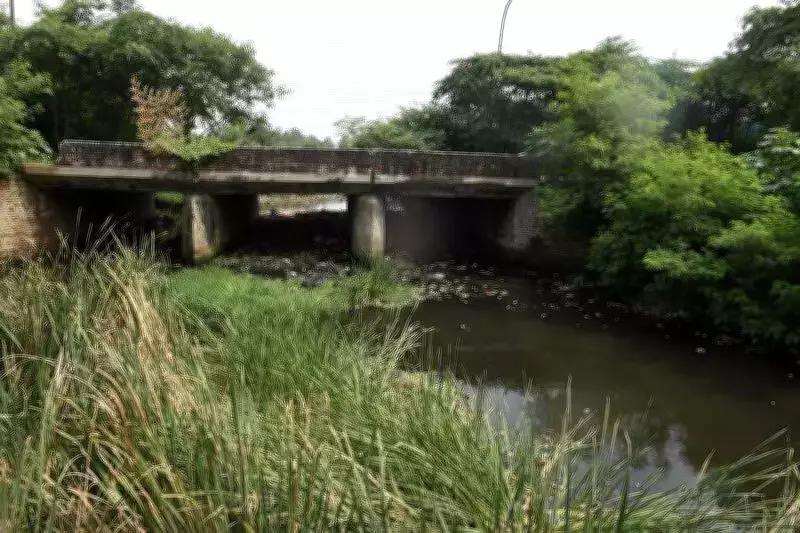
Greater Noida Authority Takes Action with Sewage Treatment Plant to Cleanse Hindon River
The Greater Noida Industrial Development Authority (GNIDA) has announced a significant environmental initiative to construct a sewage treatment plant (STP) on the Hawaliya drain. This strategic move targets one of the most persistent sources of pollution affecting the Hindon river, located near Momnathal village. The decision comes in response to mounting pressure from regulatory bodies and escalating concerns over water quality degradation.
Addressing a Critical Pollution Source
Stretching approximately 13 kilometers from the industrial zone of Surajpur, the Hawaliya drain serves as a conduit for untreated domestic sewage and industrial effluents from 33 outfalls before discharging into the Hindon river, which subsequently flows into the Yamuna. Both the National Green Tribunal (NGT) and the Uttar Pradesh Pollution Control Board have repeatedly identified this drain as a major contributor to the deteriorating condition of the Hindon's water. Last year, these authorities issued directives mandating the installation of an STP at the confluence to mitigate rising pollution levels.
Project Implementation and Objectives
In compliance with the directive, GNIDA has issued an Expression of Interest (EoI) to appoint an agency for the project. The EoI document highlights that rapid urbanization over the past decade has severely strained Greater Noida's natural drainage and wastewater management systems. The selected agency will be tasked with identifying and evaluating solutions to rejuvenate the drain, with key goals including:

- Improving water quality to meet environmental standards
- Enhancing hydraulic efficiency to prevent backups and flooding
- Boosting flood resilience during heavy rainfall events
- Restoring ecological health and visual appeal of the drain
Officials have stated that a team will soon conduct a site visit at the confluence, perform a comprehensive study, submit a report detailing the required STP capacity, and prepare budget estimates. Currently, the drain is overwhelmed, leading to issues such as surcharging, backups, and flooding, exacerbated by continuous inflows of untreated wastewater, solid waste accumulation, and degraded aesthetics.
Environmental Impact and Pollution Metrics
The pollution levels in the Hawaliya drain are alarming, with biochemical oxygen demand (BOD) recorded at 48 mg per litre, exceeding the Central Pollution Control Board's permissible limit of 30 mg per litre. Chemical oxygen demand (COD) stands at 288 mg per litre, within but indicative of contamination, as ideal ranges are between 250 and 500 parts per million. High BOD levels indicate oxygen depletion in water bodies, often causing hypoxic conditions that threaten aquatic life, while elevated COD signals significant sewage and industrial effluent loads.
An official explained, "Of the 33 outfalls along the 13km stretch, three are currently dry, but the rest discharge untreated or partially treated wastewater. This continuous inflow has led to a steady decline in water quality and environmental conditions downstream."
Sources of Contamination and Current Management
According to NGT documents, the drain receives untreated domestic sewage from Surajpur village and treated industrial effluent from Surajpur Industrial Area Sites B, C, and V. Additionally, local drains such as Lohiakhar Nala, Palla Chithehara Nala, Dhoom Dujana, and Sadopur drains discharge into the Hawaliya near the Surajpur wetland.
In other areas, domestic sewage from locations including Udyog Vihar, Ecotech-I, and various knowledge parks is treated at GNIDA STPs. The treated effluent from these facilities enters the Hawaliya drain near Kasna village before it ultimately meets the Hindon at Gharbara. This project aims to integrate and enhance these existing efforts, providing a holistic solution to curb pollution and protect the river ecosystem.