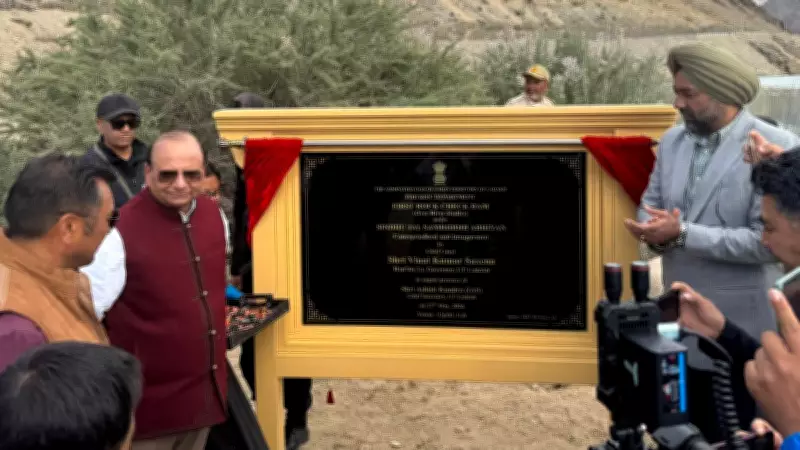
The Sindhu Jal Samriddhi Abhiyan has ushered in a transformative era for agriculture in Ladakh with the construction of eco-friendly check dams on the Indus River. This initiative aims to enhance water conservation, improve irrigation, and promote sustainable farming practices in the region.
Revolutionizing Water Management
The check dams are designed to capture and store rainwater and snowmelt, reducing soil erosion and recharging groundwater. This is particularly crucial in Ladakh, where water scarcity has long been a challenge for farmers. The project not only ensures a reliable water supply but also mitigates the impacts of climate change by preventing flash floods and maintaining river flow during dry periods.
Eco-Friendly Construction
Built using locally sourced materials and traditional techniques, the dams have minimal environmental impact. They are constructed with stone and earth, avoiding concrete and other non-biodegradable materials. This approach preserves the natural landscape and supports biodiversity by creating habitats for aquatic species.

Community Involvement
Local communities have been actively involved in the planning and construction phases, fostering a sense of ownership and ensuring the project meets their needs. Training programs on water management and sustainable agriculture have also been provided, empowering farmers to maximize the benefits of the new infrastructure.
Boosting Agricultural Productivity
With improved irrigation, farmers can now cultivate a wider variety of crops, including high-value vegetables and fruits, which were previously difficult to grow due to water shortages. This diversification is expected to increase incomes and improve food security in the region. The initiative also promotes organic farming practices, reducing reliance on chemical fertilizers and pesticides.
Economic and Social Impact
The Sindhu Jal Samriddhi Abhiyan is creating employment opportunities in construction and maintenance, while also reducing migration from rural areas. By stabilizing agricultural output, it helps preserve traditional livelihoods and strengthens the local economy. The project serves as a model for other arid regions facing similar water challenges.
Future Plans
Authorities plan to expand the network of check dams to cover more areas along the Indus and its tributaries. Research is ongoing to monitor the ecological effects and optimize dam designs for maximum efficiency. The success of this initiative highlights the potential of low-impact infrastructure to address water scarcity in high-altitude regions.
In conclusion, the Sindhu Jal Samriddhi Abhiyan marks a significant step toward sustainable development in Ladakh. By combining traditional knowledge with modern conservation techniques, it offers a blueprint for climate-resilient agriculture in vulnerable ecosystems.