Sloth Bears Venture Near Tamil Nadu Villages, Prompting Forest Officials to Action
Forest managers at the Kalakkad Mundanthurai Tiger Reserve (KMTR) in Tamil Nadu are grappling with an escalating issue as sloth bears increasingly move along forest fringes into areas adjacent to human habitations. This concerning trend has been documented across multiple forest ranges, including Ambasamudhram, Kadayam, Papanasam, and Thirukurungudi, where bears have started frequenting hillocks just outside the officially designated forest boundaries.
Seasonal Food Sources and Temple Attractions
R Murugan, the KMTR field director, explains that many of these hillocks have transformed into semi-permanent shelters for the animals. The seasonal abundance of fruits such as mango, figs, and jamun has created rich feeding grounds that lure the omnivorous bears out of the deeper forest areas. Additionally, small temples located on these hillocks have become unintended feeding sites for the bears.
Sloth bears are particularly drawn to high-calorie sources like the oil used in temple lamps, along with food offerings left behind by devotees. L C S Srikanth, KMTR deputy director, notes that most sightings occur during early morning and late evening hours when bears are moving between their feeding and resting sites. It is during these times that they often stray dangerously close to nearby villages.

Vulnerable Villages and Aggressive Encounters
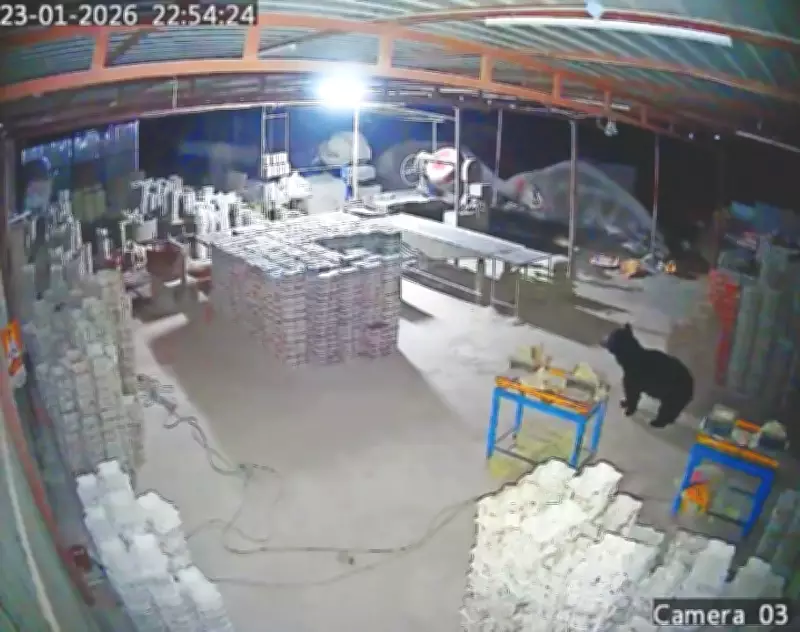
Forest officials have identified eight vulnerable villages in each of the affected ranges where residents regularly report bear sightings. These encounters pose significant risks because sloth bears, while generally shy creatures, are known to react aggressively when startled or surprised. In a recent incident, a resident was attacked, leading villagers to demand the removal of the animal.
An official recounts that a cage was installed in the area, resulting in the capture of a bear. As per established protocol, captured animals can only be released back into the wild after receiving approval from the head of the department. Consequently, the bear was released into a suitable core area within the reserve. However, such translocation exercises are described as manpower-intensive, expensive, and logistically demanding.
Intensified Measures and Preventive Strategies
Despite these challenges, forest authorities have implemented several measures to mitigate the conflict. Patrolling efforts have been significantly intensified in vulnerable zones. Local bodies and industries have been instructed to avoid dumping waste in open areas that might attract wildlife. Solar fencing has already been installed along particularly vulnerable stretches, with plans to extend these solar barriers to other fringe areas.
Additionally, authorities are working on relocating dump yards situated too close to forest boundaries. To enhance community involvement and rapid response, a toll-free helpline has been launched specifically for reporting wildlife movements near human settlements.
The situation underscores the delicate balance between wildlife conservation and human safety, requiring ongoing vigilance and adaptive management strategies from forest officials.