North India Battles Intense Cold Wave as Temperatures Plummet
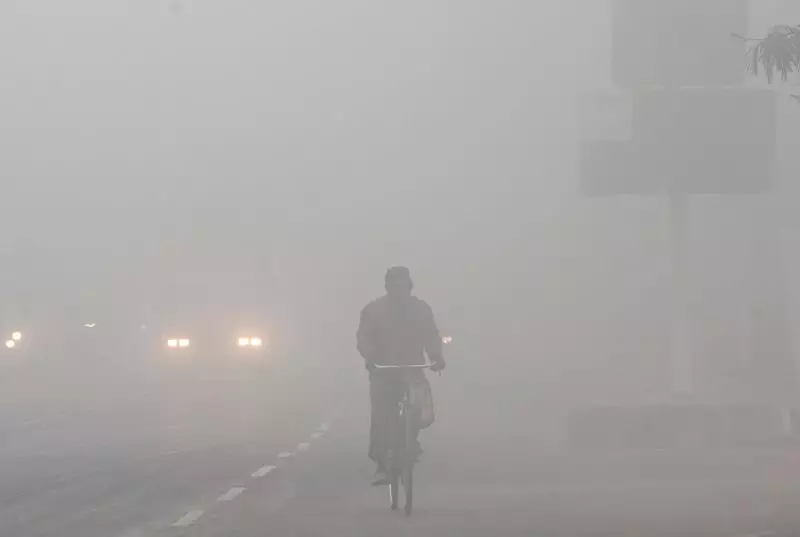
A harsh cold wave has tightened its grip over North India, bringing bone-chilling temperatures and winter precipitation. The region is experiencing severe weather conditions that are disrupting daily life and raising concerns among residents.
Sonamarg Records Freezing -8.9°C
Sonamarg in Jammu and Kashmir has become one of the coldest spots in the country. The popular tourist destination recorded a frigid temperature of minus 8.9 degrees Celsius. This extreme cold has transformed the landscape into a frozen wonderland, but it poses significant challenges for locals and travelers alike.
Residents are bundling up in multiple layers to combat the biting cold. Many report difficulties with water supply lines freezing overnight. The local administration has issued advisories urging people to stay indoors during peak cold hours, especially in the early mornings and late evenings.

Light Snowfall Blankets Parts of Himachal Pradesh
Meanwhile, Himachal Pradesh has witnessed light snowfall across several higher altitude areas. The fresh snow cover has created picturesque scenes but also led to slippery road conditions in some locations. Transportation authorities are monitoring the situation closely to ensure safe travel.
The snowfall, while light, has contributed to the overall drop in temperatures throughout the state. Weather experts note that this precipitation is typical for this time of year but appears more intense due to the broader cold wave pattern affecting North India.
Broader Impact Across Northern States
This cold wave is not limited to just Jammu and Kashmir and Himachal Pradesh. Neighboring states including Punjab, Haryana, and parts of Uttar Pradesh are also experiencing significantly lower than normal temperatures. The India Meteorological Department has issued warnings for several districts.
Key effects of the cold wave include:
- Increased demand for heating appliances and winter clothing
- Health concerns, especially for vulnerable populations
- Potential impact on agricultural activities in some areas
- Changes in daily routines as people adjust to the harsh conditions
Medical professionals are advising people to take precautions against cold-related illnesses. They recommend staying warm, eating nutritious food, and seeking medical attention if symptoms of hypothermia or frostbite appear.
The weather department predicts that these cold conditions will persist for the next few days. They anticipate gradual improvement toward the weekend, but temperatures are expected to remain below seasonal averages. Residents should continue to follow weather updates and take necessary precautions until the cold wave subsides.