

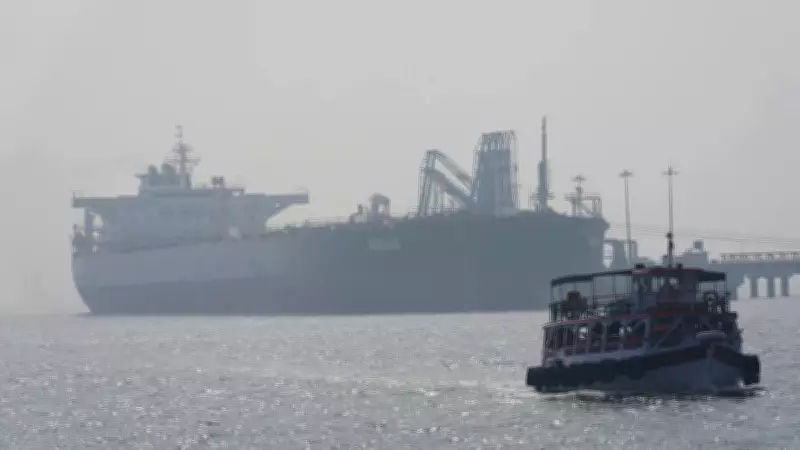
Navigating the Strait of Hormuz: A Complex Maritime Challenge
The Strait of Hormuz, a critical chokepoint for global oil shipments, is not a straightforward passage for vessels. Amid escalating tensions and the looming threat of conflict with Iran, crossing this narrow waterway requires navigating a web of regulations and security measures imposed by Tehran. The Islamic Revolutionary Guard Corps (IRGC) plays a pivotal role in this process, mandating clearance for ships to ensure compliance with Iranian protocols.
IRGC Clearance and Toll Booths: Key Hurdles for Shipping
One of the primary obstacles for maritime traffic is the necessity for IRGC clearance. Ships must obtain approval from this powerful Iranian military force before proceeding through the strait, a step that adds layers of bureaucracy and potential delays. Additionally, reports indicate the presence of toll booth-like systems, where vessels might face fees or inspections, further complicating transit. This setup underscores Iran's strategic control over the waterway, leveraging it for both security and economic purposes.
Blocked Lanes and Guarded Corridors: Ensuring Safe Passage
To manage the flow of ships and mitigate risks, Iran has implemented measures such as blocked lanes and guarded corridors. Certain lanes within the strait are periodically restricted or closed off, often due to military exercises or security concerns, forcing vessels to reroute. Meanwhile, guarded corridors—monitored by Iranian naval forces—provide designated pathways for safe passage, but they come with strict oversight. These corridors are designed to prevent incidents and maintain order, yet they highlight the heightened vigilance in the region.

Implications for Global Trade and Security
The complexities of crossing the Strait of Hormuz have significant implications for global trade, particularly oil exports from the Middle East. Delays or denials of IRGC clearance can disrupt supply chains, leading to economic repercussions worldwide. Moreover, the presence of toll booths and blocked lanes raises concerns about maritime freedom and navigation rights, potentially escalating tensions with international stakeholders. As Iran asserts its authority, the risk of miscalculations or conflicts looms large, making this waterway a focal point for geopolitical scrutiny.
Looking Ahead: Challenges and Precautions
For shipping companies and global powers, understanding these dynamics is crucial. Strategies such as advanced planning, diplomatic engagement, and enhanced security protocols are essential to navigate the strait safely. The situation underscores the need for ongoing dialogue to address maritime security issues and prevent disruptions that could impact energy markets and regional stability. As tensions persist, the Strait of Hormuz remains a volatile yet indispensable artery for international commerce.






