

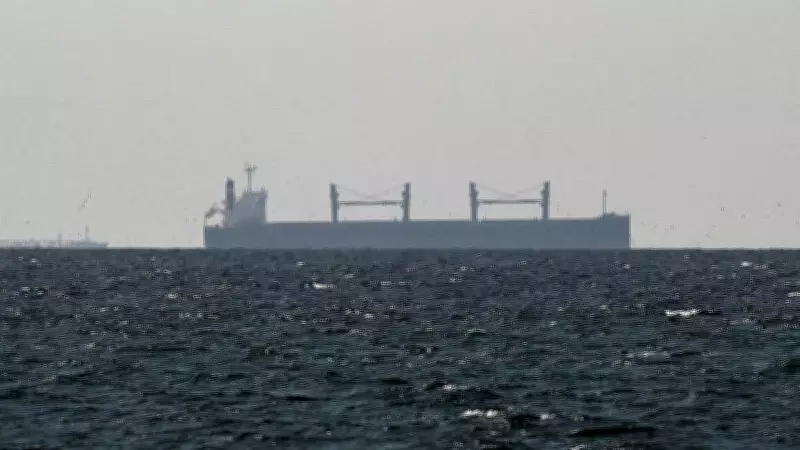
Strait of Hormuz Shipping Crisis Persists Despite Iran Ceasefire Deal
Daily maritime transits through the strategically vital Strait of Hormuz have collapsed dramatically, dropping from approximately 130 vessels per day to just a handful, as attacks and credible threats against commercial shipping continue to disrupt this crucial global trade artery. Despite a recent ceasefire agreement involving Iran, the situation remains dire, with experts warning that ships will not return in meaningful numbers until the security risk is substantially mitigated.
Security Threats Paralyze Critical Chokepoint
The Strait of Hormuz, a narrow waterway between the Persian Gulf and the Gulf of Oman, is one of the world's most important maritime chokepoints, handling about one-fifth of global oil consumption. Recent months have seen a sharp escalation in hostilities, including drone strikes, missile attacks, and hijacking attempts targeting vessels. These incidents have created an environment of extreme peril, compelling shipping companies to reroute cargo or halt operations entirely.
The dramatic reduction in daily transits underscores the severe impact of these security challenges on global trade and energy markets. Insurance premiums for vessels traversing the region have skyrocketed, while operational costs have surged due to the need for enhanced security measures and longer alternative routes.

Iran Ceasefire Fails to Restore Confidence
On April 7, 2026, Seyed Abbas Araghchi, representing Iran's Supreme National Security Council, posted a statement on social media platform X (formerly Twitter) announcing a ceasefire deal. However, subsequent reports, including one from Axios on April 9, 2026, indicate that the Strait remains effectively closed to normal shipping traffic. The ceasefire has not translated into tangible on-the-ground improvements in maritime security, leaving shipowners and operators deeply skeptical.
Key factors hindering a return to normalcy include:
- Persistent Threat Environment: Ongoing intelligence reports suggest that militant groups and state-sponsored actors continue to pose significant risks to commercial shipping.
- Lack of Enforcement Mechanisms: The ceasefire agreement lacks robust international monitoring or enforcement protocols to guarantee safe passage.
- Historical Precedents: Past agreements in the region have often broken down quickly, leading to renewed hostilities and instability.
Path to Recovery: What Will It Take?
For shipping to resume at pre-crisis levels, several critical conditions must be met. First and foremost, a verifiable and sustained reduction in attacks and threats is essential. This requires not only diplomatic agreements but also concrete actions such as the deployment of international naval patrols, enhanced intelligence sharing, and credible commitments from regional powers to protect commercial vessels.
Additionally, the restoration of confidence among shipping companies, insurers, and global markets is paramount. This will necessitate transparent communication, demonstrable security improvements, and potentially economic incentives to offset the high costs of operating in the region. Until these measures are implemented, the Strait of Hormuz is likely to remain a ghost corridor for international trade, with profound implications for global energy supplies and economic stability.
The situation highlights the fragile nature of global maritime chokepoints and underscores the urgent need for coordinated international efforts to address security threats in volatile regions. As of April 10, 2026, the world watches closely, hoping for a resolution that can reopen this vital artery and restore the flow of commerce through the Strait of Hormuz.






