

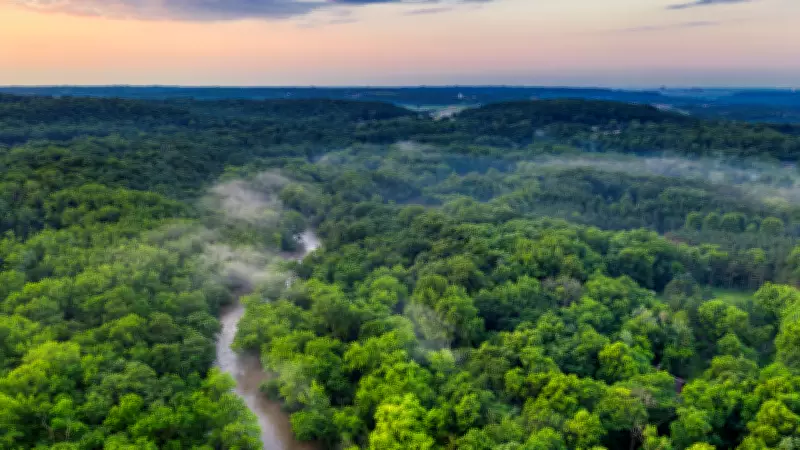
Suriname: The World's Most Forested Nation and Its Vital Environmental Role
Hidden away on the northeastern coast of South America lies a country so verdant and lush it appears as if plucked from a fantasy realm. Suriname, a nation frequently overlooked on the global stage, is profoundly dominated by the raw forces of nature. While many countries grapple with preserving their natural environments, Suriname thrives as an unparalleled environmental treasure—untouched, untamed, and critically important for the planet's future.
Suriname: The Most Forested Country on Earth
Suriname is renowned for a remarkable yet straightforward attribute: its expansive forests. Environmental data, including the Forest Reference Level report, indicates that approximately 93% of the country's landmass is blanketed by dense tropical rainforests. This staggering figure crowns Suriname as the nation with the highest percentage of forest coverage globally. Unlike numerous industrialized countries, Suriname has preserved vast swathes of pristine wilderness.
A significant portion of the country falls within the Amazon biome, hosting unique wildlife such as jaguars, river otters, and harpy eagles. Despite this ecological richness, Suriname remains relatively obscure worldwide. Its low population density, with most inhabitants residing along the northern coast, has been instrumental in maintaining this wilderness.

A Global Leader in Forest Conservation
However, Suriname's significance extends beyond mere forest abundance; it excels in conservation efforts. The World Wide Fund for Nature has designated Suriname as a High Forest, Low Deforestation country, recognizing its high forest cover and minimal deforestation rates. Suriname has also emerged as a leader in international climate change discussions.
During COP-23 under the United Nations Framework Convention on Climate Change, Suriname pledged to preserve its 93% forest cover indefinitely. This commitment has positioned Suriname as one of the few carbon-negative nations globally, meaning it absorbs more carbon dioxide than it emits. The country's forests act as carbon sinks, playing a pivotal role in combating global warming.
Why Suriname Matters for Environmentalists Today
In an era where global forest cover has dwindled to about 31% of total land area, nations like Suriname are indispensable. The rainforests in Suriname regulate climate patterns, support immense biodiversity, and provide habitats for indigenous communities that have coexisted harmoniously with nature for centuries. These forests are not merely beneficial to Suriname; they are a lifeline for the entire planet.
Despite their importance, Suriname faces the daunting challenge of safeguarding this vast resource. Over the years, the country has appealed to the international community for financial and technological support to preserve its rainforests without hindering economic development.
The Planet's Hidden Green Giant
While Suriname may not feature prominently in mainstream news or typical tourist guides, its environmental significance is immense. In a time when climate is a ubiquitous term, this tranquil nation of forests stands as a powerful exemplar of living in harmony with nature. Suriname's story underscores that some of Earth's most vital places often receive the least attention, yet their impact resonates globally.






