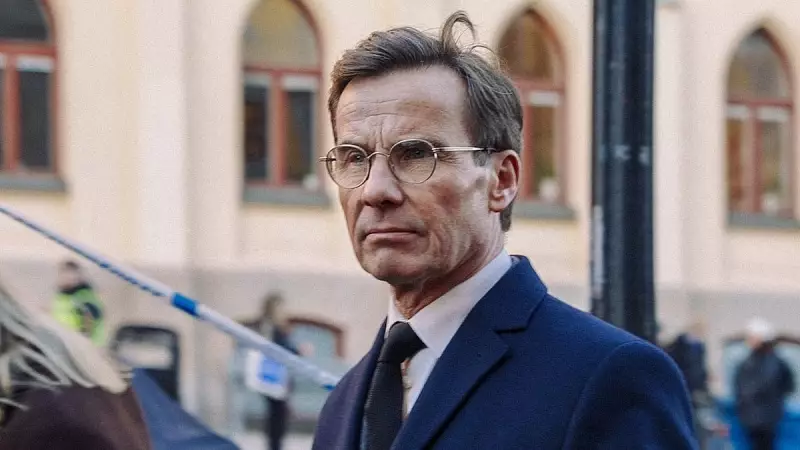
In a significant diplomatic development, Sweden has formally declined to participate in former United States President Donald Trump's proposed "Board of Peace" initiative. The announcement was made by Swedish Prime Minister Ulf Kristersson during a press briefing in Davos, Switzerland, on Wednesday, January 21, 2026.
Sweden's Firm Stance on the Peace Proposal
Prime Minister Kristersson explicitly stated that Sweden will not join the peace board plan as it has been presented by Trump. This decision underscores Sweden's independent foreign policy approach and its careful evaluation of international initiatives. The rejection highlights potential disagreements or reservations about the structure, objectives, or implementation of the proposed board, though specific reasons were not detailed in the initial reports.
Context of the Announcement in Davos
The declaration came at the World Economic Forum in Davos, a global platform often used for high-level diplomatic discussions. Kristersson's remarks to reporters there have drawn attention from international observers, signaling Sweden's position on this matter to a worldwide audience. The timing and venue suggest that Sweden is keen to communicate its stance clearly within the international community.

Implications for US-Sweden Relations
This move could have implications for bilateral relations between Sweden and the United States, particularly given Trump's influential role in American politics. While Sweden has historically maintained strong ties with the US, its rejection of this initiative may reflect a desire to align with its own national interests and foreign policy principles. It remains to be seen how this decision will affect future collaborations between the two nations on peace and security issues.
Background on the 'Board of Peace' Initiative
Donald Trump's "Board of Peace" is a relatively new proposal aimed at addressing global conflicts through a dedicated advisory body. Details about its composition, mandate, and funding are still emerging, but Sweden's early rejection indicates that some countries may have concerns about its feasibility or alignment with existing international frameworks. The initiative is part of Trump's broader efforts to reshape global diplomacy, which have often been met with mixed reactions from allies and adversaries alike.
As of the latest updates, Sweden's position stands firm, with no indication of a change in the near future. This development adds to the ongoing discourse on international peace efforts and the roles of individual nations in such initiatives.