Tamil Nadu Government Unveils Comprehensive Urban Greening Policy Framework
The Tamil Nadu government has officially launched a detailed urban greening policy framework, mandating all urban local bodies (ULBs) across the state to significantly expand and manage green spaces. This initiative aims to integrate ecological planning into city development and adopt robust monitoring systems to enhance climate resilience, biodiversity, and public well-being.
Key Targets and Guidelines for Urban Green Cover
Explaining the new policy, State Forest Secretary Surpriya Sahu emphasized that it requires ULBs to strive for a minimum of 15% green cover within their municipal limits. Cities are encouraged to adopt a modified version of the 3–30–300 urban green liveability guideline, tailored to Tamil Nadu's unique ecological and spatial context. This guideline focuses on ensuring visibility of trees from residences, improving neighborhood canopy cover, and providing walkable access to usable green spaces for residents.
Integration of Green Infrastructure into Urban Planning
Urban green infrastructure layers will be seamlessly integrated into planning tools, including GIS-based mapping of ecological assets, open spaces, canopy zones, water-body buffers, and potential greening corridors. These layers will help prioritize greening interventions, especially in heat-stressed areas and zones with low green cover. To ensure transparency and community involvement, the data will be made available on public dashboards for monitoring and feedback.

Strengthening Nursery Development and Tree Planting Practices
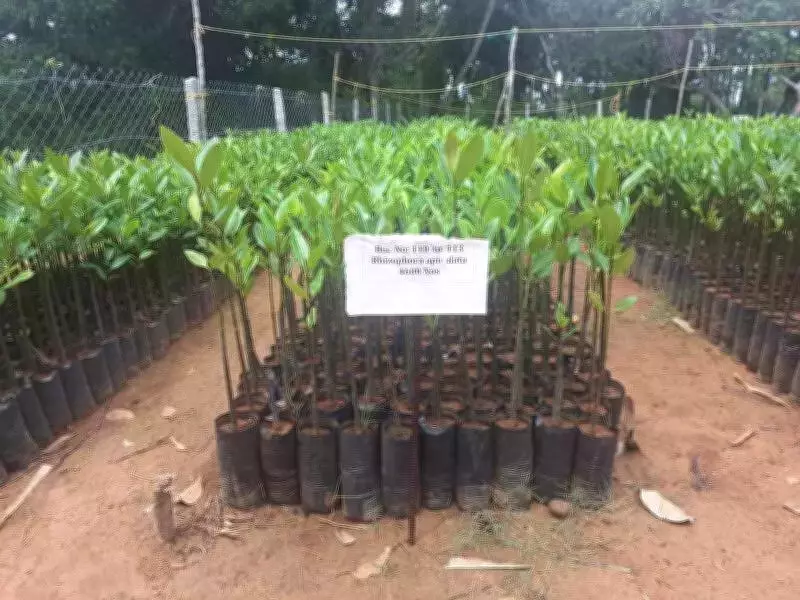
The framework places a strong emphasis on strengthening nursery development and standardizing tree planting practices. Each ULB has been advised to establish urban green nurseries and prioritize native, drought-tolerant, climate-resilient, and pest-resistant species. Standard protocols have been prescribed for various aspects of tree planting, including:
- Planting pit dimensions and soil preparation
- Organic mulching and irrigation scheduling
- Staking and protection measures
- Technical guidelines for species selection and planting design
- Pruning standards and long-term tree health management
Citizen Participation and Community Stewardship
Citizen participation and stewardship form a core pillar of the policy. ULBs are directed to encourage involvement from residents' welfare associations, schools, self-help groups, and volunteers in maintaining urban greenery. This collaborative approach aims to foster a sense of ownership and responsibility among communities towards their local green spaces.
Robust Monitoring and Evaluation Mechanisms
Principal Chief Conservator of Forests (Research), I Anwardeen, highlighted that a strong monitoring, evaluation, and reporting mechanism has been built into the framework. This shifts the focus from mere plantation numbers to tangible outcomes such as canopy development, ecological functionality, climate resilience, public accessibility, and community stewardship. Key performance indicators include:
- Municipal green cover percentage and per-capita green space
- Tree survival rates through geo-tagged audits
- Species diversity and continuity of blue-green corridors
- Performance of tree and biodiversity parks
- Levels of community participation and engagement
This comprehensive policy framework represents a significant step towards sustainable urban development in Tamil Nadu, aiming to create greener, more resilient cities for future generations.