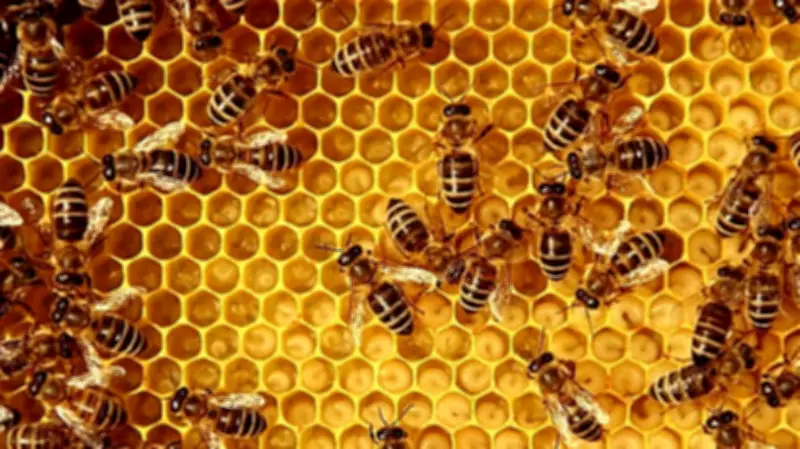
Bees are the unsung heroes of our food system, pollinating over 75% of the world's flowering plants and nearly 75% of crops. Yet, they are under siege from a silent war waged by human activities. The widespread use of neonicotinoid pesticides, habitat destruction, and climate change are driving bee populations to the brink. This decline is not just an environmental issue; it is a direct threat to global food security and economic stability.
The Role of Bees in Agriculture
Bees are essential for the production of many fruits, vegetables, and nuts. Crops like apples, almonds, blueberries, and cucumbers depend heavily on bee pollination. Without bees, agricultural yields would plummet, leading to higher food prices and potential shortages. The economic value of bee pollination is estimated at billions of dollars annually. In India, where agriculture employs a large portion of the population, the loss of bees could have devastating effects on rural livelihoods.
Pesticides: A Primary Culprit
Neonicotinoids, a class of insecticides, are particularly harmful to bees. These chemicals affect the nervous system of insects, causing disorientation, impaired foraging, and increased mortality. Even sublethal doses can weaken bee colonies, making them more susceptible to diseases and parasites. Despite evidence of their harm, these pesticides are still widely used in agriculture. Some countries have banned or restricted neonicotinoids, but global adoption of safer alternatives is slow.

Habitat Loss and Monoculture Farming
Urbanization and intensive farming practices have led to the loss of natural habitats that bees rely on for food and shelter. Monoculture farming, where vast areas are planted with a single crop, reduces the diversity of pollen sources available to bees. This nutritional stress weakens bee immune systems and reduces colony survival. Creating pollinator-friendly habitats, such as wildflower strips and hedgerows, can help mitigate these effects.
Climate Change and Bee Health
Climate change is altering the timing of flowering seasons, disrupting the synchrony between bees and the plants they pollinate. Extreme weather events, such as droughts and floods, further stress bee populations. Warmer temperatures can also expand the range of pests and diseases that affect bees, such as the Varroa mite. These compounding factors make it increasingly difficult for bees to thrive.
What Can Be Done?
Addressing the decline of bees requires a multifaceted approach. Farmers can adopt integrated pest management practices that reduce reliance on chemical pesticides. Planting diverse crops and maintaining natural habitats can provide bees with the resources they need. Policymakers should enforce stricter regulations on harmful pesticides and invest in research on bee health. Consumers can also contribute by buying organic produce and supporting local beekeepers.
The silent war on bees is a crisis that demands immediate attention. By recognizing the vital role bees play in our ecosystems and food systems, we can take steps to protect them. The future of agriculture and biodiversity hangs in the balance.