

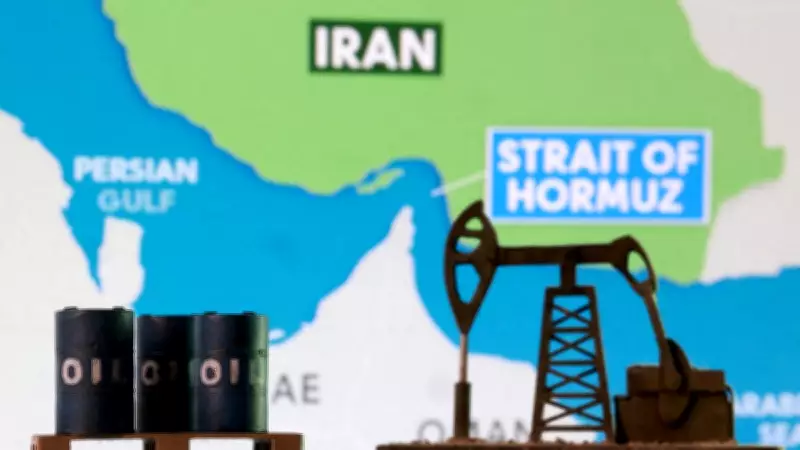
Three West Asian Pipelines Emerge as Strategic Alternatives to Hormuz Strait
In a significant development for global energy markets, three major pipelines in West Asia have emerged as promising alternatives to the Strait of Hormuz, a critical maritime chokepoint for oil shipments. These projects are being hailed as potential solutions to bypass the strait, offering countries a more secure and efficient means to transport their valuable oil resources, often referred to as 'liquid gold'.
Strategic Importance of the Strait of Hormuz
The Strait of Hormuz is a narrow waterway located between the Persian Gulf and the Gulf of Oman, serving as a vital conduit for approximately one-fifth of the world's oil supply. Its strategic significance cannot be overstated, as any disruption in this region could lead to severe global energy shortages and price volatility. Historically, tensions in the area, including geopolitical conflicts and security threats, have raised concerns about the reliability of this route for oil transport.
Overview of the Three Key Pipelines
The three pipelines under development in West Asia are designed to provide alternative routes for oil exports, thereby reducing dependency on the Strait of Hormuz. These projects include:

- Pipeline A: This pipeline connects oil-rich regions in the Middle East to ports outside the Persian Gulf, allowing for direct land-based transport that avoids maritime chokepoints.
- Pipeline B: Focused on enhancing regional connectivity, this pipeline links production sites to refineries and export terminals in neighboring countries, promoting energy cooperation and stability.
- Pipeline C: As a long-term initiative, this pipeline aims to integrate with existing infrastructure to create a diversified network, ensuring redundancy and resilience in oil supply chains.
Benefits and Implications for Global Energy Security
The development of these pipelines offers numerous benefits for both regional and global energy security. By providing alternative routes, they help mitigate risks associated with geopolitical tensions and potential blockades in the Strait of Hormuz. This diversification of transport options can lead to more stable oil prices and enhanced supply reliability for importing nations. Additionally, these projects are expected to boost economic growth in West Asia by creating jobs and fostering international partnerships in the energy sector.
Experts highlight that while these pipelines represent a step forward in reducing reliance on the strait, challenges such as high construction costs, environmental concerns, and political hurdles must be addressed. However, the overall outlook remains positive, with these initiatives seen as crucial for ensuring a steady flow of oil in an increasingly volatile global landscape.
As countries continue to seek ways to secure their energy needs, the emergence of these three pipelines in West Asia marks a pivotal shift in oil transport strategies, offering a ray of hope for a more resilient and secure energy future.






