

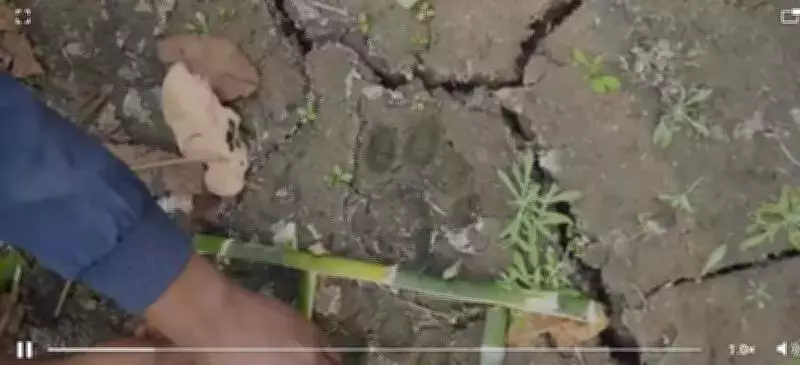
Udanti-Sitanadi Tiger Reserve Records Significant Tiger Movement Following Corridor Restoration
In a promising development for wildlife conservation, the Udanti–Sitanadi Tiger Reserve (USTR) located in Chhattisgarh has confirmed the movement of three distinct tigers within its boundaries over the past nine months. This notable occurrence is being credited to the concerted and collaborative efforts between security forces and the reserve's administration, which have worked tirelessly to rejuvenate critical habitat corridors.
Expanding Territories from Saturated Populations
According to USTR Deputy Director Varun Jain, male tigers are increasingly exploring new territories as populations in neighboring states reach capacity. Citing the 2022 tiger census, Jain noted that Madhya Pradesh recorded 785 tigers and Maharashtra 444, leading to natural dispersal. "While male tigers are known to travel extensive distances, sometimes up to 1,500 kilometers, tigresses typically confine their movements to a range of 100-150 kilometers," he explained.
A specific male tiger, first photographed in USTR during May 2025, was later camera-trapped in the Barnawapara Wildlife Sanctuary, positively identified through its unique stripe pattern. Further corroboration comes from reports by the Wildlife Institute of India (WII) Tiger Cell, which confirmed that a male tiger from the Kawal Tiger Reserve in Telangana moved into USTR in 2022 before migrating onward to the Debrigarh Wildlife Sanctuary in Odisha by 2023.

Restoration of a Critical Wildlife Corridor
The resurgence of tiger movement is directly linked to the successful restoration of a previously redundant tiger corridor in the Bastar-Gadchiroli region. This achievement stems from joint initiatives by the Udanti Sitanadi Tiger Reserve administration and the Central Reserve Police Force (CRPF). Intensive anti-Naxal operations, combined with rigorous anti-poaching campaigns and the systematic removal of encroachments, have significantly improved forest health, thereby facilitating the safe passage of big cats across state borders.
Deputy Director Jain detailed that this revitalized corridor now connects the Tadoba Andhari Tiger Reserve in Maharashtra's Chandrapur and Gadchiroli districts to the Indravati Tiger Reserve in Chhattisgarh's Bijapur district. This pathway further extends to the USTR in Gariaband and continues to the Sunabeda Wildlife Sanctuary in Odisha, creating a contiguous network for wildlife migration.
Operational Efforts and Future Plans
The USTR team has been actively engaged in joint anti-poaching operations across key areas including Gadchiroli, Pakhanjur, and Bijapur. Additionally, they have successfully cleared 750 hectares of encroached land within the reserve, further securing the habitat. Looking ahead, the state forest department is preparing to translocate two tigresses from Madhya Pradesh to USTR with the aim of establishing a stable, resident tiger population. This proposal is currently pending approval from the National Tiger Conservation Authority (NTCA).
Broader Ecological Impact Beyond Tigers
The significance of the Indravati-Udanti Sitanadi corridor extends well beyond tigers, serving as a vital passage for other endangered species such as wild buffaloes and elephants. Forest officials have observed a consistent increase in elephant migration from neighboring eastern states into Chhattisgarh, largely driven by industrial activities displacing herds in their original habitats. This corridor is poised to become a primary gateway for elephants moving toward the Bastar forests, with Kanker district already reporting elephant sightings in Pakhanjur and Sarona.
Jain added that comprehensive habitat improvement plans are being developed to link the wild buffalo populations of Indravati and Pamed with those in USTR, ensuring genetic diversity and long-term species survival. These concerted efforts underscore a holistic approach to conservation, aiming to restore and protect India's rich biodiversity for future generations.






