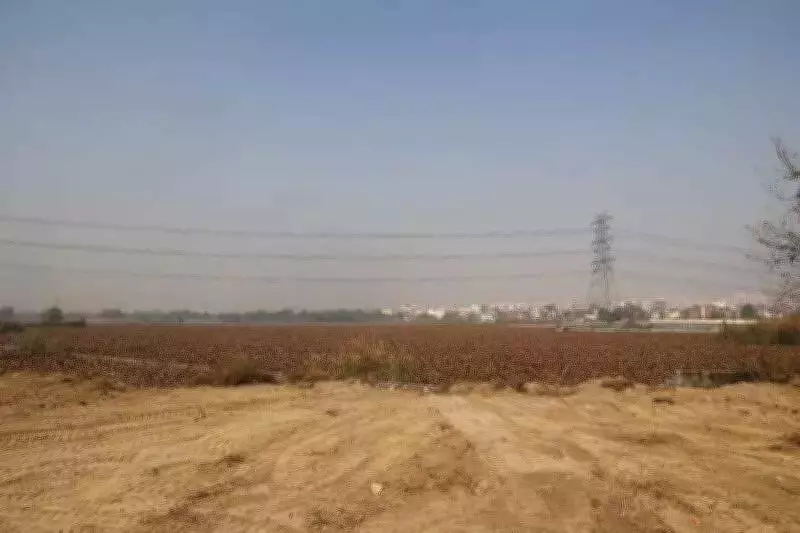
Delhi's Dying Tikri Khurd Lake to Be Transformed into City's First Meadow Park
The Delhi Development Authority (DDA) has announced an ambitious plan to rejuvenate, restore, and develop the highly encroached and dying Tikri Khurd Lake at Narela into the city's first meadow park. This decision follows a site visit by Lieutenant Governor VK Saxena on February 17, where he expressed deep concern over the deteriorating waterbody that once sustained a vibrant ecosystem.
Urgent Restoration Plan
Officials have been directed to prepare a restoration plan at the earliest, modeled after the successful development of Baansera and Asita parks on previously degraded landscapes. The waterbody, originally an oxbow lake on the Yamuna floodplain, has been suffering from untreated sewage inflow from neighboring residential areas, giving the entire area an unpleasant appearance.
The preliminary plan focuses on reviving the 40-acre lake by removing encroachments and water hyacinth, while developing an open grassy patch across 10 acres of surrounding land. This will be complemented by the creation of a heavily wooded area featuring approximately 10,000 trees, including significant bamboo plantations.

Comprehensive Development Features
A 2.5-meter-wide walkway covering 20 acres surrounding the lake will serve as both a walking and cycling track. The work on cleaning approach roads has already commenced, and tenders for constructing a boundary wall around the complex have been issued according to DDA statements.
The entire project spans approximately 72 acres within sectors 8-1 to 8-3 of Narela sub-city. While ecological restoration remains the priority, officials emphasize that attracting visitors is also important given the strategic location. The project plan focuses on ecological restoration, landscape regeneration and creation of nature-based public spaces while strengthening the hydrological and environmental performance of the site, explained an official.
Ecological Design Elements
The meadow park will feature:
- Expansive native grasslands
- Dense peripheral plantations acting as ecological buffers
- Design ensuring rainwater gradually flows toward the central depression
- Restoration and strengthening of the primary water retention basin
- Enhanced existing site contours to facilitate natural surface run-off
Visitor Amenities and Infrastructure
For public enjoyment, the park will include:
- Shaded seating areas beneath native tree canopies
- An eco-sensitive restaurant structure using sustainable materials at a vantage point overlooking the lake
- Stepped access creating visual and spatial interface between land and water
- Elevated machaans (nature-viewing decks) for observing restored ecosystems and bird activities
- A small meeting facility with two-three eco-cottages for nature retreats and environmental education
Sustainable Practices and Challenges
Excavated earth from deepening and restoration work will be reused on-site to create landscaped mounds and berms that screen undesirable views and function as visual buffers and wind barriers. Decentralized sewage treatment plants will treat wastewater from surrounding areas to ensure the lake retains water year-round.
A plant nursery will be developed within the landscape to support plantation needs and promote native species. Despite previous directives from the National Green Tribunal to restore the lake, the project had remained stalled due to disagreements between DDA and the state wetland authority.
The comprehensive restoration represents a significant step toward addressing Delhi's environmental challenges while creating valuable public green spaces for urban residents.