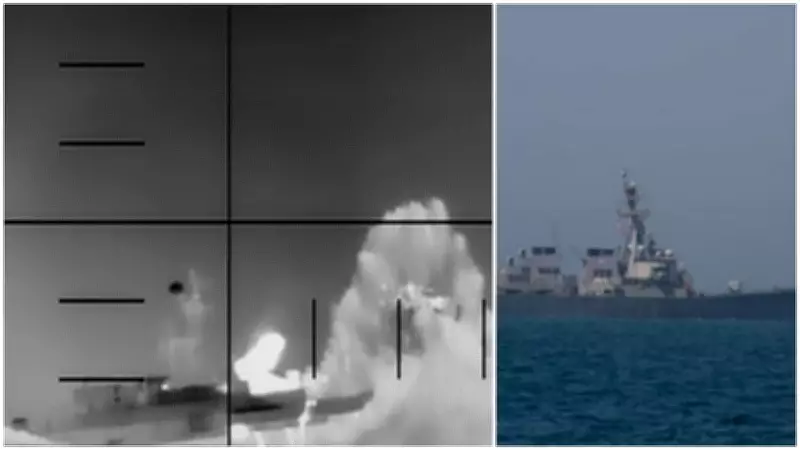
Explained: The 'Quiet Death' Torpedo Attack on Iran's IRIS Dena Near Sri Lanka
The recent sinking of the Iranian warship IRIS Dena off the coast of Sri Lanka has drawn significant attention to modern naval warfare tactics, particularly the use of advanced torpedoes. This incident, described as a 'quiet death' due to its stealthy nature, highlights the lethal capabilities of contemporary torpedo systems. Understanding the technology behind these weapons is crucial to grasp the full implications of such attacks in international waters.
What is a Torpedo and How Does It Operate?
A torpedo is a self-propelled underwater missile designed to target and destroy ships or submarines. Modern torpedoes are equipped with sophisticated guidance systems that enable them to locate and track their targets with high precision. These systems often include sonar, acoustic sensors, or wire guidance, allowing the torpedo to adjust its course in real-time to ensure a direct hit. Once launched, a torpedo moves through the water at high speeds, making it a formidable threat in naval engagements.
The operation of a torpedo involves several key stages. First, it is launched from a ship, submarine, or aircraft, entering the water and activating its propulsion system. Next, the guidance system takes over, using sensors to detect the target's location and movement. As the torpedo approaches, it maintains a steady trajectory, often evading countermeasures deployed by the target vessel. This process culminates in the detonation of the warhead upon impact, causing catastrophic damage to the ship's hull and internal systems.

The Impact of Torpedo Warheads on Naval Vessels
When a torpedo reaches its target, the warhead detonates, unleashing immense explosive force. This explosion typically occurs at or near the ship's waterline, leading to severe structural damage. The blast can rupture the hull, create large holes, and flood compartments, compromising the vessel's buoyancy and stability. In many cases, this results in rapid sinking, as seen with the IRIS Dena, where the attack caused significant injuries and loss of life among the crew.
The effectiveness of a torpedo warhead depends on factors such as explosive yield, detonation timing, and the target's armor. Modern warheads are designed to maximize damage by focusing the blast energy inward, tearing through metal and causing secondary explosions from fuel or ammunition stores. This makes torpedoes particularly devastating against military ships, which often carry volatile materials. The aftermath of such an attack includes not only physical destruction but also long-term strategic implications for naval operations and regional security.
Context of the IRIS Dena Incident and Broader Implications
The sinking of the IRIS Dena near Sri Lanka underscores the ongoing tensions in global maritime regions, particularly involving nations like Iran and the United States. This event serves as a stark reminder of the vulnerabilities faced by naval forces in contested waters. As torpedo technology continues to evolve, with advancements in stealth, range, and accuracy, the risk of similar incidents may increase, prompting nations to enhance their defensive capabilities and international cooperation.
In conclusion, the 'quiet death' of the IRIS Dena highlights the critical role of torpedoes in modern naval warfare. By understanding their guidance systems and destructive power, we can better appreciate the complexities of maritime conflicts and the need for robust security measures. This incident not only sheds light on specific military tactics but also raises important questions about future naval strategies and global stability.