

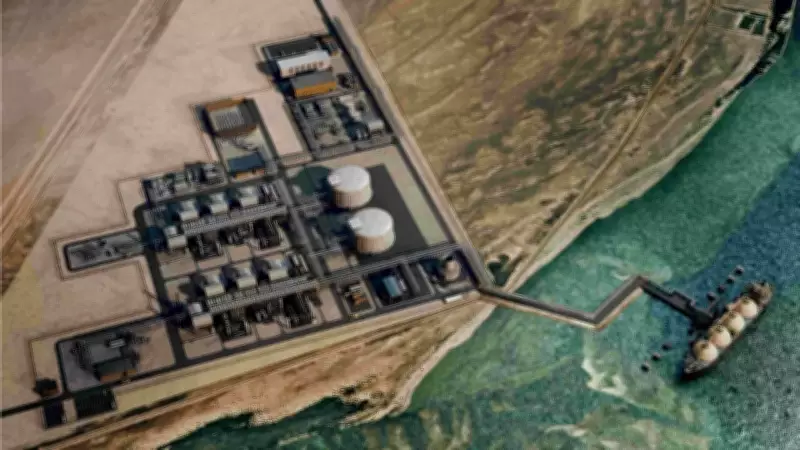
UAE Issues Strong Condemnation of Iranian Attack on Critical Energy Infrastructure
The United Arab Emirates has issued a forceful condemnation of what it described as a "terrorist attack" by Iran targeting the strategically vital Habshan gas facility and Bab oil field. This incident represents yet another dangerous escalation in the rapidly intensifying conflict between Iran and the US-Israel alliance, with critical energy infrastructure now emerging as a primary battlefield in the regional confrontation.
Details of the Attack and Immediate Response
According to UAE authorities, Iranian missiles were launched toward key energy sites including the Habshan gas complex, one of the world's largest gas processing facilities, and the Bab oil field. While air defense systems successfully intercepted the incoming threats, falling debris from the intercepted missiles triggered emergency responses on the ground.
As a precautionary measure, operations at both facilities were temporarily suspended while authorities conducted comprehensive safety assessments. Officials confirmed that no injuries were reported, highlighting both the effectiveness of defensive systems and the narrow margin by which a more serious disaster was avoided.

The UAE's Ministry of Foreign Affairs described the incident as a "dangerous escalation" and a clear violation of international law, warning that such attacks on vital infrastructure threaten not only national sovereignty but also regional and global stability.
Strategic Significance of Targeted Facilities
What makes this attack particularly significant is the strategic importance of the targeted facilities. The Habshan complex is not merely another industrial site but serves as a cornerstone of the UAE's energy network, processing vast quantities of gas critical to both domestic consumption and global exports. Any disruption here creates ripple effects far beyond national borders, potentially impacting global energy markets and supply chains.
The attack follows a clear pattern of energy infrastructure targeting that has emerged in recent days:
- Israel's strike on Iran's South Pars gas field
- Damage to Qatar's Ras Laffan LNG hub from previous attacks
- Heightened alerts at Saudi and Gulf energy facilities
- Direct targeting or threats against UAE sites including Habshan and Bab
These incidents collectively point to a strategic shift toward economic warfare, where energy infrastructure is being deliberately targeted to maximize impact and create economic pressure.
UAE's Diplomatic Response and Regional Implications
In a sharply worded statement, the UAE condemned the attack in the strongest possible terms, framing it as a direct threat to regional security, global energy supply, and civilian safety. Officials emphasized that targeting oil and gas infrastructure represents a critical red line, given the essential role such facilities play in powering economies worldwide.
The UAE also reaffirmed its right to take all necessary measures to protect its sovereignty and national interests, signaling that the response may not be limited to defensive action alone. This condemnation comes amid a broader wave of diplomatic backlash across the Gulf region, as multiple countries react to Iran's expanding strikes on energy assets.
Global Energy Market Implications
The targeting of Habshan has significant global implications beyond regional security concerns. The UAE serves as a key player in the global energy market, and any disruption to its gas processing capabilities can tighten supply chains, push up global energy prices, and increase market volatility.
Recent attacks across the Gulf have already contributed to sharp spikes in oil and gas prices, with analysts warning of potential long-term shortages if such strikes continue. The situation is particularly sensitive given the strategic importance of the Gulf as a major energy corridor for Europe, Asia, India, and East Asia.

Experts stress that the outcome could have been far worse. Gas processing facilities like Habshan operate under high-pressure, high-risk conditions where even minor disruptions can trigger large-scale explosions, prolonged shutdowns, and environmental hazards. In this case, while missiles were intercepted and damage was limited, the incident serves as a stark warning of how close the region is to a catastrophic energy event.
Broader Conflict Context and Escalation Timeline
The Habshan attack represents part of a rapidly unfolding chain of events in the ongoing conflict:
- Late February 2026: US-Israel strikes hit Iranian military and energy-linked sites
- Early March: Iran launches retaliatory missile and drone attacks across the Gulf
- Mid-March: Israel strikes Iran's South Pars gas field
- Following hours: Iran warns Gulf nations of imminent strikes
- Current: UAE facilities including Habshan and Bab are targeted
Each step has intensified the conflict, bringing it closer to civilian and economic infrastructure rather than just military targets. The Habshan incident is not isolated but part of a broader pattern of sustained attacks and retaliations across the Gulf region.
Long-Term Implications and Strategic Shifts
At its core, the attack on Habshan reflects a broader transformation in the nature of the conflict. This is no longer just a geopolitical standoff but is evolving into a multi-dimensional crisis involving military confrontation, economic disruption, civilian risk, and energy insecurity. The deliberate targeting of oil and gas infrastructure signals that economic pressure has now become a central strategy in the conflict.
The UAE's condemnation of Iran's strike on the Habshan gas facility underscores the seriousness of the moment. With missiles intercepted, critical infrastructure targeted, and regional tensions escalating, the Gulf is entering a phase where energy systems are no longer protected spaces but active frontlines in an expanding conflict. In a world that depends on that energy, the consequences could be felt far beyond the immediate region.





