

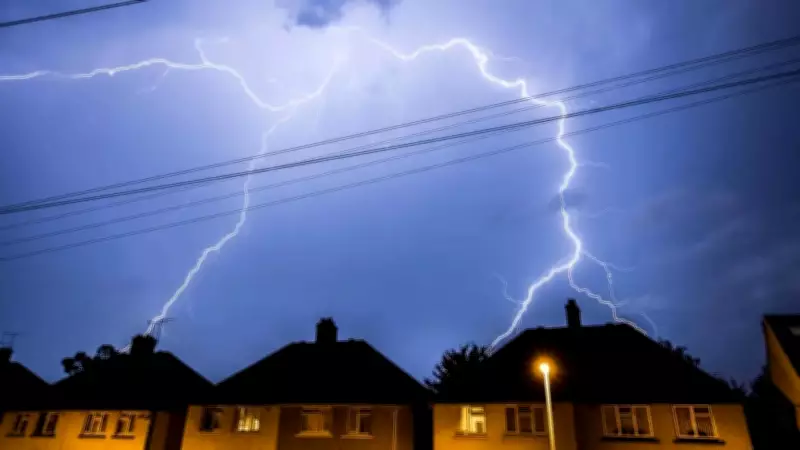
The United Kingdom has experienced a dramatic shift in weather patterns recently. Following an unusual period of sweltering heat, residents in eastern England are now bracing for sudden thunderstorms, flash downpours, lightning strikes, and potential travel chaos.
Yellow Warnings Issued
The Met Office has issued yellow thunderstorm warnings for several areas across the East, including Cambridgeshire, Essex, Hertfordshire, Suffolk, Norfolk, Bedfordshire, and Peterborough. This comes just days after May temperatures broke records, surpassing 35 degrees Celsius in some locations.
According to The Guardian, extreme heat and humidity have made the air unstable. Forecasters compare the situation to shaking a can of soda all week and finally opening it. Under these conditions, only a small trigger is needed for powerful thunderstorms to develop. Not everyone in the warning zone will experience severe weather, but storms can form rapidly, bringing intense rainfall, frequent lightning, hail, and strong winds.

What Is a Yellow Weather Warning?
A yellow warning is the Met Office's lowest level alert, below amber and red. It indicates that weather conditions are unpredictable and could disrupt plans or become dangerous. While widespread chaos is not expected, residents are advised to stay informed and prepared for sudden changes.
Potential Impacts
Some areas might receive 20 to 30 millimeters of rain in under an hour, leading to localized flooding, travel delays, and power outages. Lightning, hail, and damaging winds are also possible. The heatwave that has affected southern and eastern England, with temperatures exceeding 35 degrees Celsius, combined with humid air and colder upper air, creates ideal conditions for these storms.
Advice for Residents
Weather experts urge caution and preparedness. Before traveling, check forecasts and alerts. If driving during a storm, reduce speed, use headlights, and avoid standing water. During lightning, stay away from fields, tall trees, metal fences, and open water. Seek indoor shelter if thunder is heard.
At home, charge phones, secure outdoor furniture, and close windows before storms. Thunderstorms can affect power, trains, and internet. The UK Health Security Agency has extended heat health alerts, as the combination of heat and storms poses risks for vulnerable groups, including the elderly, young children, and those with respiratory or heart conditions.
Broader Context
Scientists attribute these erratic weather patterns to climate change, which increases the frequency of extreme events. Warmer air holds more moisture, leading to sudden, intense rainfall. While not every yellow warning results in severe conditions, the unpredictability means that even a single storm can cause flooding or power cuts.
In eastern England, it is wise to remain vigilant. Staying prepared is a matter of common sense, not panic. The yellow warnings serve as a reminder to be ready for rapid weather changes.






