

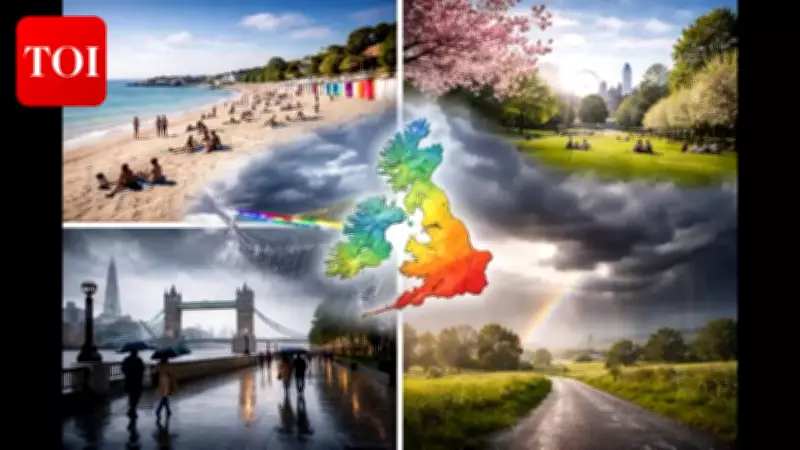
Britain's Dramatic Weather Reversal: From Summer Heat to April Chill in Days
Britain's national obsession with weather has taken on a new intensity in April 2026, transforming from casual conversation into what feels like collective meteorological whiplash. Within just a matter of days, the United Kingdom swung dramatically from near-summer warmth to a sharp, unmistakable chill that has left many residents bewildered.
The Sudden Shift from Summer Illusion to Spring Reality
What initially felt like the triumphant arrival of an early summer—complete with brilliant sunshine, crowded public parks, and overflowing pub gardens—has now retreated decisively. This temporary warmth has been replaced by cooler winds, persistent cloud cover, and the familiar patter of April rain showers. For countless Britons, this represents a familiar meteorological illusion: the return of what has become known as Britain's "fake summer."
Earlier this week, temperatures surged past 25°C in parts of England, creating one of the warmest early April periods in recent memory. Urban streets came alive with T-shirts replacing winter coats, queues forming at ice cream vans, and social media platforms flooded with sunlit snapshots celebrating the unexpected warmth.

However, by April 10th, the atmospheric shift had become unmistakable. A significant weather front moving in from the Atlantic Ocean brought widespread cloud coverage, spells of rain, and breezier conditions across much of the country. Temperatures that had briefly flirted with the high teens to low twenties Celsius dropped back to the mid-teens, with some regions experiencing even lower readings.
Why the 'Fake Summer' Phenomenon Feels Increasingly Intense
The "fake summer" phenomenon itself is not new to British meteorology, but its recent intensity and emotional impact stand out remarkably. This term refers to those brief, unseasonal bursts of warmth that create the powerful illusion of a genuine seasonal shift, only to disappear almost overnight. During spring, when the atmosphere is naturally unstable, such weather swings are not uncommon.
What makes these moments particularly striking is their profound emotional impact on the population. For several days, the entire country collectively leans into the unexpected warmth, only to be pulled back abruptly into grey skies and cooler temperatures just as quickly. This creates a psychological rollercoaster that has become embedded in the British seasonal experience.
A Nation That Celebrates Fleeting Sunshine
In Britain, sunshine represents more than just a weather condition—it transforms into a cultural event of significant proportions. The national response to sudden warmth appears almost instinctive. Office workers empty into nearby parks during lunch breaks, pub gardens fill within hours of opening, and commuters abandon layers of clothing at the first genuine hint of warmth.
This represents a shared, almost urgent celebration of something inherently fleeting. The cultural rhythm of sudden meteorological joy followed by abrupt withdrawal has become woven into the fabric of British identity itself, creating a unique relationship between the population and their changeable climate.
Weather Trends Point Toward Greater Atmospheric Instability
Meteorologists have long documented that spring in the UK represents a season of natural contrasts. However, increasingly, these contrasts appear sharper, more dramatic, and more frequent than in previous decades. The rapid transition from warm, settled conditions to cooler, unsettled weather reflects a broader pattern of atmospheric variability affecting the region.
Rather than experiencing a steady, predictable progression toward warmer summer days, the United Kingdom appears to be encountering more abrupt shifts between competing weather systems. While a single "fake summer" episode does not definitively prove climate change, the growing frequency and intensity of such swings suggests a climate that feels increasingly less predictable at ground level.

What the Forecast Holds for UK Weather This April
Looking ahead through the remainder of April, meteorological forecasts indicate that the cooler, more changeable weather pattern is likely to persist across Britain. Residents should expect a persistent mix of cloud coverage, occasional rain showers, and brief brighter intervals, with temperatures hovering closer to seasonal averages for this time of year.
Any return of sustained warmth, at least for the immediate future, appears uncertain. However, as this week has demonstrated conclusively, it would not take much for atmospheric conditions to swing dramatically once again, potentially delivering another brief taste of summer before spring reasserts its traditional character.





