

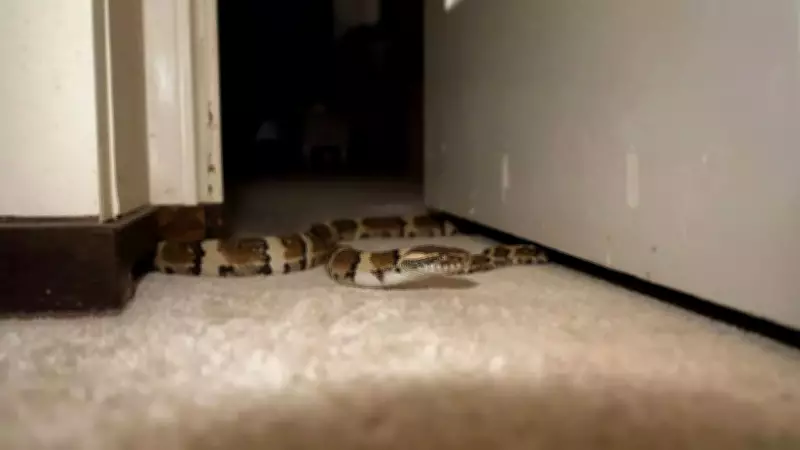
Understanding Snake Behavior: Why They Seek Shelter in Human Environments
Snakes remain among the most profoundly misunderstood creatures within human-dominated landscapes. For countless individuals, fear originates not from direct confrontation but from the unsettling uncertainty of where a snake might conceal itself and the reasons behind its appearance near residential areas. In stark reality, snakes do not actively pursue human interaction. These quiet and cautious animals dedicate the majority of their existence to remaining unseen and conserving energy. However, sightings of snakes are becoming increasingly frequent near homes, gardens, construction zones, and agricultural fields across urban centers, towns, and rural regions.
The Rising Frequency of Encounters
This notable increase in human-snake interactions is frequently connected to evolving landscapes, seasonal climatic patterns, and the accessibility of shelter and sustenance. Snakes exhibit strong sensitivity to temperature fluctuations. Extreme heat and cold significantly influence their choices for resting, hunting, and hiding locations. Human environments inadvertently supply many conditions that snakes instinctively seek, including shaded areas, moisture, warmth, and abundant small prey such as rodents and amphibians.
Comprehending where snakes prefer to take refuge, how meteorological conditions impact their mobility, and what draws them to gardens can substantially decrease unexpected encounters. This knowledge also empowers people to implement measures that enhance safety and coexistence. By studying snake behavior rather than succumbing to fear, families can effectively mitigate risks and allow snakes to fulfill their ecological roles without conflict.

Preferred Hiding Locations for Snakes
Snakes gravitate toward environments where they can evade predators, experience stable temperatures, and have convenient access to food sources. They rarely linger in exposed, open spaces for extended periods, instead relying on both natural and artificial cover for concealment.
Common natural hiding spots include:
- Rock accumulations and dense shrubbery
- Tall grasses and fallen timber
- Woodpiles and debris heaps
- Abandoned rodent burrows
In urban and semi-urban settings, snakes may conceal themselves under concrete slabs, within drainage systems, beneath staircases, or along boundary walls featuring cracks and gaps. Weather plays a crucial role in these selections. During hot conditions, snakes search for cooler microhabitats to prevent overheating. Preferred shelters encompass underground burrows, shaded garden corners, compost pits, and areas adjacent to water sources. Basements, crawl spaces, garages, and sub-floor areas often remain cooler than external ground temperatures, potentially attracting snakes in summer months.
In colder weather, shelter patterns shift dramatically. Snakes move toward insulated spaces that offer protection from dropping temperatures. They retreat deeper into burrows, rock crevices, gaps under foundations, and unused drainage lines. Many species enter brumation, a period of reduced activity where they remain hidden for weeks or months until conditions improve. These shelters are vital for survival during cold spells without requiring constant movement.
Why Snakes Enter Human Spaces
Snakes do not intentionally invade homes or gardens. They are attracted by conditions that align with their fundamental survival requirements.
Primary attraction factors include:

- Food Availability: Rodents, lizards, frogs, and insects flourish near human settlements, particularly where waste management is inadequate or vegetation is overgrown. Snakes naturally follow this prey.
- Shelter Provision: Construction activities, deforestation, and land clearing destroy natural hiding places. Consequently, snakes adapt by utilizing alternative shelters like sheds, storage areas, unused rooms, and stacked materials near dwellings.
- Temperature Regulation: Seasonal temperature variations significantly influence movement. In hot weather, snakes seek shaded, moist locations. During cold periods, they gravitate toward warmer, protected areas. Homes, garages, and gardens often unintentionally provide both, serving as refuges during extreme weather.
- Water Access: Leaking pipes, garden ponds, water tanks, and open drains attract both prey animals and snakes, especially during dry conditions.
Common Snake Attractants in Residential Areas
Wood or Debris Piles: Stacked firewood, lumber, broken boards, or unused bricks create ideal hiding spots. The interstitial spaces between objects trap heat while providing shade. These piles also host rodents, offering a dual attraction of shelter and food.
Compost Heaps and Leaf Litter: Compost piles and dense leaf layers generate warm, moist conditions perfect for snakes. The decomposition process internally heats compost heaps, while insects and small animals are often present, creating a hospitable environment.
Long Grass and Dense Vegetation: Tall grass, ground covers, and dense plantings conceal snakes from view and supply shade. In late summer and early autumn, these areas can become warmer than surrounding spaces, especially with ground cover. Snakes use this vegetation for shelter during daytime heat and hunting.
Under Rocks and Garden Containers: Loose stones and infrequently moved potted plants create small, cool shelters. Stacked stones or pots placed close to soil form cool gaps that snakes can enter. On hot days, temperatures under rocks and heavy pots remain lower than surrounding ground, attracting snakes.
Hollow Spaces in Walls and Foundations: Gaps in house foundations, stone borders, and retaining walls provide safe passage routes for snakes, allowing unseen movement, particularly at night. Any gap large enough for a small animal typically accommodates a snake.
Water Sources and Irrigation Systems: Snakes require water and are naturally drawn to ponds, bird baths, irrigation channels, and leaking pipes. Regularly watered gardens or areas with standing water attract frogs, insects, and other prey, which in turn draw snakes.
How to Snake-Proof Your Home and Garden
Snake-proofing does not entail complete sealing but involves making areas less inviting to snakes initially.
Key preventive measures include:
- Regularly trimming plants and maintaining lawn height
- Eliminating trash piles, excess wood, and construction materials
- Storing firewood elevated off the ground and away from walls
- Filling cracks in walls, floors, and foundations
- Installing fine mesh over drains, vents, and ground-level openings
- Ensuring doors fit tightly with no underlying gaps
- Maintaining cleanliness and securing food waste to deter rodents
- Preventing water stagnation and repairing leaking pipes
- Reducing thick ground cover near houses and keeping edges clear
Additional caution is advisable during extreme weather. Frequently inspect shaded storage areas in summer. In winter, check basements, garages, and crawl spaces that remain warm and undisturbed.
Understanding Snake Behavior Reduces Risk
Snakes play crucial roles in pest control and ecological balance. Most snake bites occur when snakes feel threatened, cornered, or are accidentally stepped on. Knowledge of their hiding preferences and movement motivations helps people avoid these situations.
By managing shelter availability, food sources, and seasonal risks, households can dramatically reduce unwanted encounters. Remaining informed and vigilant, rather than fearful, represents the optimal strategy for safe coexistence with wildlife.





