The Growing Challenge of Urban Heat Islands
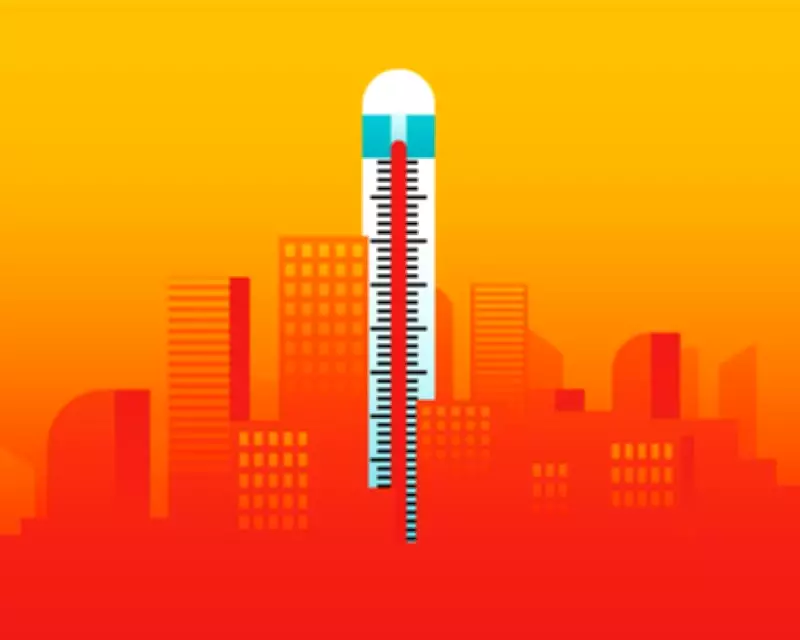
The Urban Heat Island (UHI) effect is a critical environmental phenomenon where metropolitan areas experience significantly higher temperatures than their surrounding rural regions. This temperature disparity, often ranging from 1 to 3 degrees Celsius but sometimes exceeding 5 degrees Celsius, results from human activities and urban development. As cities expand globally, the UHI effect intensifies, posing severe risks to public health, energy consumption, and ecological balance.
Causes and Mechanisms of Urban Heat Islands
Several factors contribute to the formation and amplification of Urban Heat Islands. The primary driver is the replacement of natural landscapes with artificial surfaces such as asphalt, concrete, and buildings. These materials absorb and retain solar radiation more effectively than vegetation, releasing heat slowly and keeping urban areas warmer, especially at night. Additionally, waste heat from vehicles, industrial processes, and air conditioning systems adds to the thermal load. The lack of green spaces and water bodies, which provide cooling through evapotranspiration, further exacerbates the effect. Urban geometry, with tall buildings trapping heat and reducing wind flow, also plays a significant role in creating microclimates that sustain higher temperatures.
Impacts on Health and Environment
The consequences of the Urban Heat Island effect are far-reaching and multifaceted. From a health perspective, elevated temperatures increase the incidence of heat-related illnesses such as heatstroke, dehydration, and respiratory problems, particularly affecting vulnerable populations like the elderly and children. Environmentally, UHI contributes to higher energy demands for cooling, leading to increased greenhouse gas emissions from power plants. This creates a vicious cycle, as more emissions worsen global warming and further intensify heat islands. Moreover, altered temperature patterns can disrupt local ecosystems, affect biodiversity, and reduce air quality by accelerating the formation of ground-level ozone and other pollutants.

Strategies for Mitigation and Adaptation
Addressing the Urban Heat Island effect requires a combination of mitigation and adaptation strategies. Key approaches include:
- Increasing Green Infrastructure: Planting trees, creating parks, and installing green roofs and walls can enhance evapotranspiration and provide shade, effectively cooling urban areas.
- Using Reflective Materials: Implementing cool roofs and pavements that reflect more sunlight and absorb less heat can reduce surface temperatures significantly.
- Promoting Sustainable Urban Planning: Designing cities with better ventilation, incorporating water features, and preserving natural landscapes help mitigate heat accumulation.
- Enhancing Public Awareness: Educating communities about heat risks and encouraging energy-efficient practices can reduce waste heat and improve resilience.
Governments and urban planners must prioritize these measures to combat the UHI effect, especially as climate change exacerbates heat extremes. Collaborative efforts involving policymakers, scientists, and citizens are essential to create cooler, healthier, and more sustainable urban environments for future generations.