

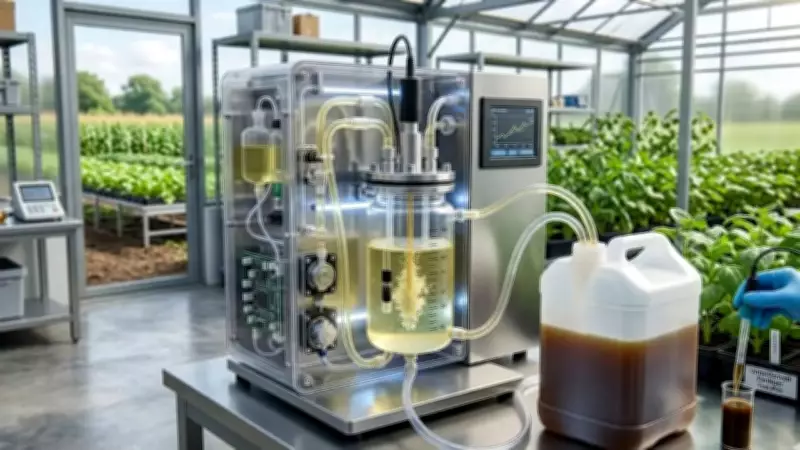
From Waste to Resource: Human Urine as a Sustainable Fertiliser
Modern sanitation systems have traditionally treated human urine as mere waste, flushing away precious nutrients like nitrogen and phosphorus that are crucial for plant growth. However, a groundbreaking study published in the Journal of Environmental Chemical Engineering introduces a transformative approach: converting this overlooked byproduct into a sustainable, low-energy fertiliser. By leveraging forward osmosis, researchers have successfully concentrated urine into a nutrient-dense liquid, offering a promising solution to slash the energy demands of conventional wastewater treatment methods.
Harnessing Forward Osmosis for Nutrient Recovery
According to the study, urine constitutes only about 1% of household wastewater volume but contains the majority of nitrogen and phosphorus found in domestic sewage. Researchers demonstrated that forward osmosis—a process where water moves across a semi-permeable membrane toward a saltier solution—can effectively concentrate these nutrients without the high pressures required in typical treatment plants. This innovative filtration method not only recovers vital agricultural components but also challenges entrenched waste management practices, potentially turning urban sanitation infrastructure into a circular system that links household waste directly to local, sustainable fertiliser production.
Overcoming Membrane Fouling Challenges
The primary obstacle in this research was membrane fouling, where organic matter and bacteria accumulate on the membrane, impeding water flow. However, the study found that gentle cleaning techniques could reverse these effects, enhancing system efficiency. Additionally, pre-treating urine by removing large particles and adjusting pH levels—such as through citric acid addition—significantly improved the long-term reliability of urine treatment systems, ensuring steady flow rates and consistent nutrient recovery.

The Future of Sanitation: Source Separation
Researchers emphasised that realising the full benefits of this technology on a larger scale hinges on implementing source separation. This involves collecting urine at the source rather than mixing it with sewage. While the chemical processes are well-established, future success depends on developing robust, integrated infrastructure, including innovative toilet designs, safe transport mechanisms, and regular maintenance protocols to produce clean, contaminant-free urine. As global pressures to optimise resources intensify, this approach could revolutionise waste management, fostering a more sustainable and efficient agricultural ecosystem.






