Operation Epic Fury Unleashes Geopolitical Shockwaves Across Middle East
The coordinated military assault by the United States and Israel against Iran, codenamed Operation Epic Fury, has plunged the Middle East into a severe crisis with far-reaching consequences. The strikes, which commenced on Saturday, February 28, 2026, have resulted in the confirmed death of Iran's Supreme Leader, Ayatollah Ali Khamenei, and triggered a dangerous cycle of regional retaliation.
Major Combat Operations Target Iranian Infrastructure
President Donald Trump announced the initiation of what he termed "major combat operations" targeting Iran's missile and nuclear capabilities. In a statement posted on Truth Social, Trump declared, "We are going to destroy their missiles and raze their missile industry to the ground." He later clarified that the primary objective was to prevent Iran from obtaining nuclear weapons.
The military campaign inflicted significant damage on Iranian facilities but also resulted in substantial civilian casualties. Reports indicate at least 153 people, including children, were killed when a strike hit a school in Minab. The operation culminated in missile strikes around Tehran that killed the 86-year-old Supreme Leader Khamenei.

Iran Launches Widespread Retaliatory Strikes
In response to the attack on its leadership, Iran launched retaliatory strikes across multiple countries in the region. Targets included Israel and Gulf states such as Qatar, the United Arab Emirates, Bahrain, and Kuwait. According to BBC reports, at least nine people were killed in a strike on the Israeli city of Beit Shemesh.
The Iranian retaliation struck both military and civilian sites, including an American naval base in Bahrain and Dubai International Airport in the UAE. The closure of major airports in Dubai, Abu Dhabi, and Doha disrupted global travel, leaving thousands of passengers stranded, including numerous British citizens.
Heightened Security Concerns for US President
Following Khamenei's death, attention has turned to potential assassination threats against President Trump. A previously recorded clip from February 2025 resurfaced in which Trump addressed the possibility of Iran or its proxy groups attempting to kill him.
"That would be a terrible thing for them to do," Trump stated. "Not because of me, if they did that they would be obliterated... that would be the end." He added that he had "left instructions" for such a scenario and warned there would be "nothing left" of Iran.
In a separate interview on NewsNation, Trump was even more direct: "I have very firm instructions - anything happens, they're going to wipe them off the face of this earth."
Iran's Previous Warnings and Trump's Personal Response
Iran had issued stern warnings well before the current conflict escalated. In January 2026, Brigadier General Abolfazl Shekarchi, a spokesperson for Iran's armed forces, stated: "Trump knows that if any hand of aggression is extended toward our leader, we not only cut that hand but also we will set fire to their world." He emphasized this was "not a slogan" but a serious warning of decisive retaliation.
In a phone call with ABC News reporter Jonathan Karl, Trump framed the operation in personal terms. "I got him before he got me," Trump said, referring to Khamenei. "They tried twice," he added regarding previous attempts on his life. "Well, I got him first."
According to New York Post reporting, Trump claimed the operation was "so successful, it knocked out most of the candidates" expected to succeed Khamenei. "It's not going to be anybody that we were thinking of because they're all dead," he predicted.
Historical Context of Assassination Threats
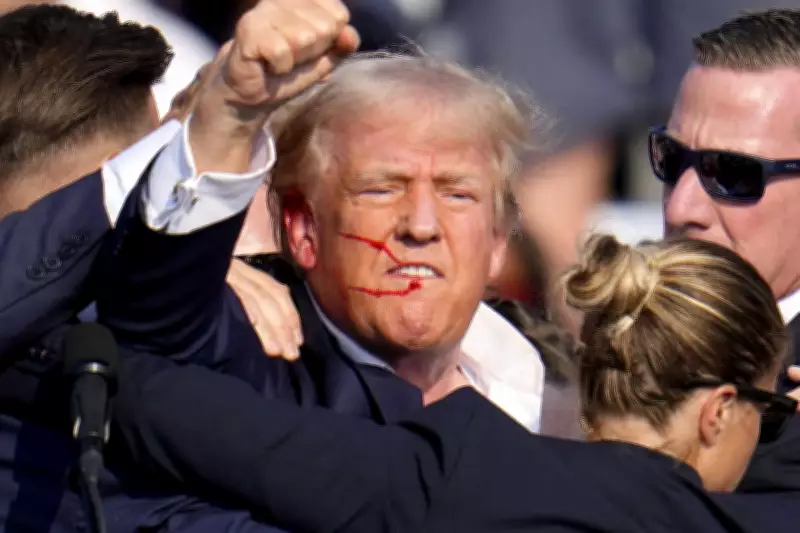
Iran has threatened retaliation against Trump since 2020, following the US killing of Iranian General Qasem Soleimani. In 2024, Trump survived two alleged assassination attempts: a shooting incident at a rally and a separate armed threat while golfing in Florida.
Months later, US authorities charged Farhad Shakeri, described as an "Iranian asset," over an alleged Islamic Revolutionary Guard Corps-linked plot to kill Trump. According to the New York Post, an IRGC official allegedly ordered Shakeri to stalk and assassinate Trump during the final weeks of the 2024 campaign.

Israeli Prime Minister Benjamin Netanyahu previously claimed in June 2025 that Iran orchestrated two failed attempts on Trump's life through proxies and intelligence operations.
Potential for Further Escalation and Security Implications
While Iran is not understood to possess missiles capable of reaching the continental United States, security analysts note that threats to US presidents have historically emerged from individuals or small cells rather than overt foreign military strikes. The President of the United States remains among the most heavily protected individuals globally, with comprehensive security measures including layered air defense, real-time intelligence monitoring, and constant Secret Service protection.
The constitutional framework for presidential succession is well established. Should a sitting president die in office, the presidency would pass immediately to Vice President JD Vance, who at 41 would become the youngest US president in history if sworn in before August 2026.
Regional Uncertainty and Future Prospects
The US-Israeli operation followed weeks of rising tensions and threats of military action unless Iran agreed to a new deal over its nuclear program. Iran has repeatedly insisted its nuclear activities are "entirely peaceful," while Israel's defense minister stated the objective of retaliation strikes was to "remove threats against the State of Israel."
The coming weeks will determine whether the confrontation stabilizes or expands further. Trump has signaled readiness for continued military engagement while maintaining his warning that any attempt on his life would trigger total destruction. As the region grapples with the aftermath of Khamenei's death and widespread military actions, the potential for further escalation remains a serious concern for global security.