US Communities Paving the Path to a Sustainable Energy Future
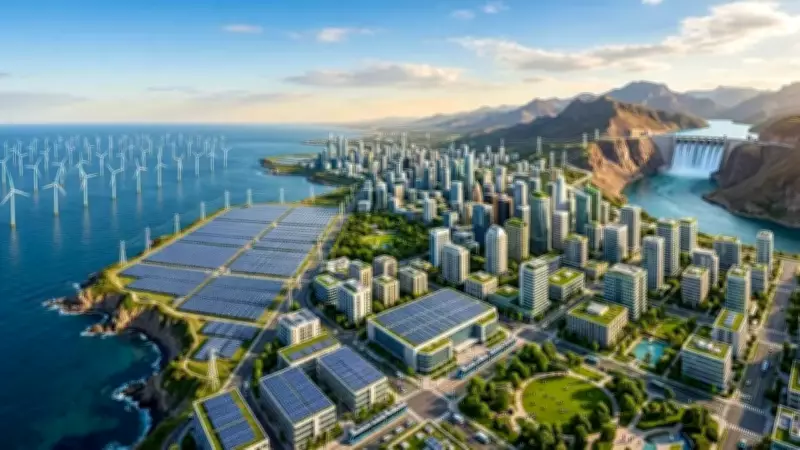
The United States is undergoing a significant transformation in its energy landscape, marked by a decisive shift toward sustainable and renewable sources. An increasing number of towns and cities across the nation are successfully integrating renewable energy into their electricity supplies, aiming to reduce reliance on fossil fuels and combat climate change. These pioneering communities utilize a diverse mix of renewable resources, including hydroelectric power, wind energy, and solar power, to achieve carbon neutrality and enhance energy reliability. This transition not only helps lower greenhouse gas emissions but also fosters lasting economic growth and promotes responsible environmental stewardship. This report highlights several towns and cities that are leading by example, constructing and utilizing locally based renewable technologies as models for a clean and sustainable energy future throughout the United States.
The Expanding Role of Renewable Energy in the US
Renewable energy sources, such as wind, solar, hydropower, geothermal, and biomass, provide sustainable alternatives that are crucial for reducing carbon dioxide emissions. The electric power sector in the United States has been steadily increasing its production of renewable resources each year, playing a key role in the country's efforts toward energy security and climate mitigation. According to federal government data, while fossil fuels remain a major energy source, the share of renewables has consistently grown due to technological advancements, making these sources more reliable and cost-effective for widespread use.
Burlington, Vermont: A Pioneer in Renewable Electricity
Burlington stands out as one of the first cities in the US to operate entirely on renewable electricity, achieving a 100% renewable supply. Managed by the Burlington Electric Department, the city's electricity portfolio combines various resources to ensure grid reliability and stability. Key renewable categories include biomass from local wood at the McNeil Generating Station, hydroelectric power from the Winooski River, and wind energy from the Georgia Mountain Community wind farm. Additionally, rooftop solar PV arrays contribute to a diversified approach, providing stable rates for residents while significantly reducing the city's overall carbon footprint.

Aspen, Colorado: Exclusive Reliance on Renewables Since 2015
Since 2015, Aspen's electric utility has relied exclusively on renewable energy sources. The city's power strategy is heavily based on hydroelectricity, a resource used as early as 1885, supplemented by substantial wind energy agreements through the Municipal Energy Agency of Nebraska and energy produced from landfill gas. The Canary Initiative, launched in 2005, is integral to Aspen's plan to transition away from fossil fuels, enhancing its resilience as a tourist destination by addressing vulnerabilities to climate change in this mountain resort community.
Rock Port, Missouri: First Community Fully Powered by Wind
In 2008, Rock Port, Missouri, gained national recognition as the first US community to completely utilize wind energy. Located in the US Wind Corridor, the city is served by four turbines on farming land that generate renewable energy. The efficiency of this turbine system often produces excess power, which is fed back into the regional grid. This project highlights the economic benefits of renewable energy in rural areas, offering local landowners stable long-term income from lease agreements and generating additional revenue through local tax collections, demonstrating the advantages of small-scale, community-based wind energy projects.
Kodiak, Alaska: Overcoming Remote Challenges with Renewables
Kodiak Island, located off the lower 48 states, exemplifies how remote communities can develop innovative solutions for energy independence. Historically reliant on diesel generators, the island now provides 100% renewable electricity through a combination of hydropower and wind. The Kodiak Electric Association has invested in wind turbines and battery storage to complement existing hydroelectric facilities, ensuring reliable electricity delivery even in challenging weather conditions.

Greensburg, Kansas: Rebuilding with Renewable Resilience
Greensburg, Kansas, faced a significant setback when an EF5 tornado devastated the community in May 2007, destroying nearly all buildings. In the aftermath, local government used funds from FEMA and private donations to rebuild the electrical infrastructure with a focus on wind and solar energy. This investment has transformed Greensburg into a net exporter of electrical energy, producing more than twice its own requirements and selling surplus electricity to the surrounding area.
Georgetown, Texas: Economic Benefits of Renewable Adoption
Georgetown, Texas, a small city with fewer than 100,000 residents, showcases how adopting renewable energy can be economically advantageous. Initially motivated by cost-effectiveness, the city quickly recognized the environmental benefits of switching to renewables. In 2017, Georgetown became fully reliant on renewable energy after executing long-term contracts for solar and wind power at fixed rates. This strategy has allowed the city to stabilize operating costs and hedge against fluctuations in traditional fossil fuel prices.