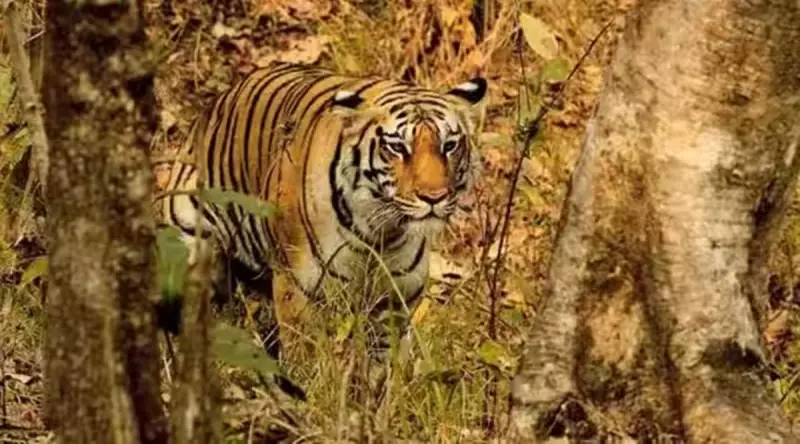
The serene Himalayan state of Uttarakhand, celebrated for its lush forests and rich biodiversity, is grappling with a dangerous and distressing shift in its age-old human-wildlife conflict narrative. While the tiger long dominated this story, a new and troubling normal has emerged, defined by a sharp rise in attacks by the elusive leopard and the Asiatic black bear. This escalating crisis, shaped by a complex mix of conservation success, human migration, and ecological strain, is making mountain life increasingly perilous.
The Stark Numbers: A Decade of Distress
The data paints a grim picture of the human cost. Between 2014 and 2024, leopards have been responsible for over 200 human fatalities and have injured more than 1,000 people across Uttarakhand's hill districts. While bear attacks result in fewer deaths, they often lead to severe mauling and cause lifelong disabilities, particularly among women working in fields or forests. This prominence of leopards and bears as primary sources of casualties marks a profound change from the past.
The Conservation Paradox: Tiger Success Pushes Leopards Out
Ironically, one of the key drivers of this crisis is the celebrated success of Project Tiger. The significant increase in tiger populations in core reserves like Corbett and Rajaji National Parks—from 442 in 2018 to over 560 by 2023—has solidified the tiger's dominance in prime forest territory. This forces the more adaptable leopard out of its natural hunting grounds. An estimated 79% of Uttarakhand's leopard population now lives outside protected areas. Displaced and squeezed into forest fringes, these big cats are transforming from stealthy hunters into desperate scavengers, losing their fear of humans and becoming more volatile.

Ghost Villages and Easy Prey: A Perfect Storm
Compounding the predator displacement is the mass migration, or palaayan, from hill villages. Driven by unemployment and lack of services, over five lakh people have left in the last decade, creating thousands of partially or wholly abandoned 'ghost villages.' These settlements are rapidly being reclaimed by invasive plants like lantana, providing perfect cover for leopards and bears. Furthermore, degradation of forests and wildfires reduce natural prey like deer, pushing predators towards easier alternatives.
For leopards, the abundance of stray dogs and livestock in human settlements offers effortless targets. Bears are lured by garbage dumps, unattended orchards, and crops like maize. Scientists also link the rise in bear encounters to climate change, which shortens hibernation periods, keeping bears active and foraging for longer.
Finding a Holistic Way Forward
The growing attack toll exposes the dark side of a single-species conservation focus. Managing tigers without addressing broader ecosystem dynamics has heightened risks from other species. It is imperative to move towards inclusive, holistic strategies that balance ecology with human safety and economic needs.
The immediate steps must focus on empowering affected communities. Implementing predator-proof corrals and solar-powered fences can reduce livestock loss, cutting off a major food attractant. Restoring forest land to boost the natural prey base is equally crucial. Most importantly, policies are urgently needed to revitalise the hill economy, incentivise youth to stay, and cultivate abandoned lands. Thriving villages will naturally push wildlife back towards the forests.
Uttarakhand stands at a critical juncture. The path forward requires recognising this dangerous ecological trap and implementing data-driven coexistence strategies that honour both conservation commitments and human welfare. The goal must be to ensure Uttarakhand remains a divine sanctuary, not a land living under the shadow of predators.