The Disappearing Insects of Goa: A Poolside Reflection on a Sterile Future
In recent years, a quiet but profound change has been unfolding in the natural landscapes of Goa, particularly around a familiar poolside setting. What was once a bustling hub of insect activity has gradually transformed into a sterile environment, raising alarms about the future of local biodiversity.
A Lifeguard to the Insects
For many seasons, both in winter and during the monsoons, one of the most engaging activities by the pool was rescuing big black ants that found themselves struggling in the water. Using twigs or fallen leaves as makeshift life rafts, these efforts often ended with the ants staggering on the tiles before collapsing. The smaller ants would then heroically haul the corpses back to their colonies, located in niches under tiles or on discarded tree stumps, feasting on various insects from bees to dragonflies.
The Bustling Insect Communities
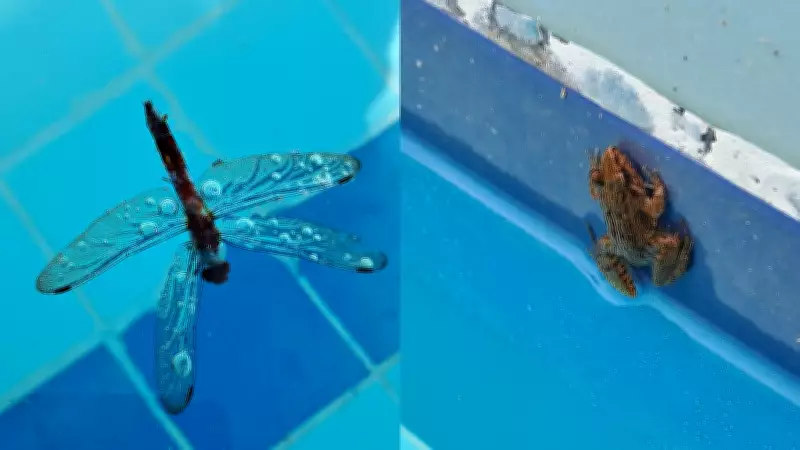
Termites thrived in a teeming colony under another tree trunk, creating a vibrant scene reminiscent of a bustling market. During rains, saffron wings of male termites floated in the pool, alongside wingless insects. Other residents included a patient long-legged spider under the pool ladder, tiny ladybirds that could whir off after a brief rest, and small brown frogs and skinks that were grateful for rescue from the water.

The Alarming Decline
Over time, the humdrum of ant activity diminished, and suicides among them became less frequent. This year, the tree stumps that provided refuge to ants and termites were removed. Worse, the tiles around the pool are now regularly pressure-hosed with a noisy machine, creating an inhospitable environment. Today, the pool area has become a sterile habitat, with hardly any life remaining.
Broader Implications and Struggles
Dragonflies still crash-land in the water, but even their numbers, along with butterflies like the Blue Mormon, have reduced. This decline doesn't bode well for the future. Insects face challenges from each other as well; for instance, chrysalises of lime butterflies have been found with puncture marks from predators, and caterpillars on curry patta plants have mysteriously disappeared.
Hope Amidst Despair
Not all is lost. Recently, a couple of lime leaf caterpillars were discovered on a curry patta plant, offering a glimmer of hope. However, their journey to becoming butterflies is fraught with risks, prompting considerations of intervention. This situation echoes concerns from literature about the devastation that could follow if insect life is destroyed, as insects play crucial roles in pollination, soil fertilization, and ecosystem balance.
The Human Impact
Human activities, such as the use of toxic pesticides and chemical fertilizers, exacerbate these issues. The cultivation of honeybees in manmade hives for pollination has become a multi-million-dollar business, highlighting our reliance on insects. Greed and lack of foresight are creating dangerous consequences for our environment.
This reflection from Goa serves as a poignant reminder of the delicate balance in nature and the urgent need to protect insect populations for a sustainable future.