Kashmir's Tourism Economy Reshaped by Warmer Winters and Inconsistent Snowfall
The picturesque region of Kashmir, long celebrated for its pristine winter landscapes and vibrant tourism industry, is confronting a profound economic transformation driven by climate change. The 2025 winter season served as a stark illustration of this shift, with inconsistent snowfall patterns and unseasonably warm spells disrupting what should have been peak ski weeks. This climatic volatility has forced a fundamental restructuring of how tourism operates in the area, moving from predictable advance bookings to a more precarious, weather-dependent model.
Disrupted Winter Season and Economic Fallout
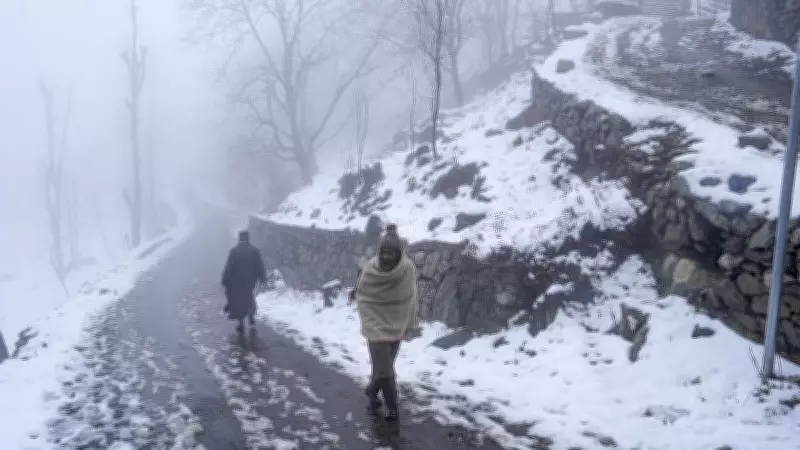
Traditionally, Kashmir's tourism sector thrives on the reliability of heavy snowfall, which attracts skiers, snowboarders, and winter enthusiasts from across India and beyond. However, the 2025 season witnessed a significant departure from this norm. Warm spells frequently interrupted the cold weather, leading to patchy and unreliable snow cover. This inconsistency not only diminished the quality of skiing and other snow-based activities but also created widespread uncertainty among tourists and businesses alike.
The impact on advance bookings was particularly severe. Many travelers, who typically plan their winter vacations months in advance based on historical weather patterns, found their plans upended. Instead of firm reservations, the tourism industry saw a surge in last-minute confirmations, with potential visitors closely monitoring weather forecasts before committing to trips. This shift has introduced a new layer of financial instability for hoteliers, tour operators, and local artisans who depend on steady winter income.

Broader Implications for Kashmir's Economy
Kashmir's economy is heavily reliant on tourism, which contributes significantly to local employment and revenue. The erratic winter conditions of 2025 have exposed vulnerabilities in this dependency, prompting calls for adaptation and diversification. Experts warn that if warmer winters become a recurring trend, the region may need to explore alternative tourism offerings, such as promoting off-season attractions or developing year-round activities less dependent on snow.
Local businesses are already feeling the strain, with reports of reduced footfall in popular destinations like Gulmarg and Sonamarg during what should have been bustling periods. The uncertainty also affects ancillary services, including transportation, hospitality, and retail, creating a ripple effect throughout the economy. As climate change continues to alter weather patterns globally, Kashmir's experience serves as a cautionary tale for other snow-dependent regions.
Looking Ahead: Challenges and Adaptations
Moving forward, stakeholders in Kashmir's tourism sector are grappling with how to mitigate the impacts of climate change. Strategies under consideration include investing in snow-making technologies to supplement natural snowfall, enhancing marketing efforts to highlight non-winter attractions, and fostering sustainable tourism practices to protect the environment. However, these measures require substantial investment and coordination, posing challenges for a region already navigating complex socio-economic dynamics.
The 2025 winter has underscored the urgent need for proactive planning and resilience-building. As Kashmir adapts to this new reality, the lessons learned could inform broader efforts to safeguard tourism economies against the escalating threats of global warming. The future of winter tourism in the region hangs in the balance, dependent on both local initiatives and global climate action.