

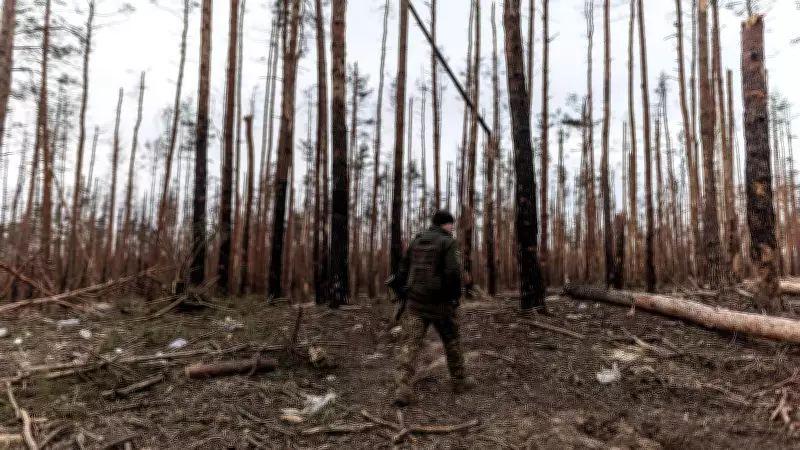
Wars are a significant yet often overlooked contributor to climate change, with military activities generating massive carbon emissions and causing widespread environmental damage. Despite this, global climate discussions and policies rarely address the role of armed conflicts in exacerbating the climate crisis.
The Environmental Toll of Warfare
Military operations consume vast amounts of fossil fuels, from powering tanks, ships, and aircraft to running bases and logistics. The U.S. Department of Defense, for instance, is one of the largest institutional consumers of petroleum globally. Beyond direct emissions, wars lead to deforestation, soil degradation, and pollution from explosive remnants and chemical agents. The destruction of infrastructure also causes indirect emissions through reconstruction efforts.
Conflict Zones as Emission Hotspots
Regions experiencing prolonged conflict, such as parts of the Middle East and Africa, often see spikes in carbon emissions due to military activity and the collapse of environmental regulations. Additionally, the displacement of populations leads to increased pressure on natural resources, further contributing to climate change.

Despite these impacts, the international community largely ignores military emissions in climate agreements. The Paris Agreement, for example, does not require countries to report emissions from their armed forces. This oversight creates a significant gap in global climate action.
Why Wars Are Overlooked
Several factors contribute to the neglect of war-related climate impacts. National security concerns often take precedence over environmental considerations, and military emissions are frequently classified or exempt from reporting. There is also a lack of political will to address the issue, as it would require transparency and accountability from powerful nations.
Call for Inclusion
Experts and activists argue that addressing military emissions is crucial for meeting global climate targets. They advocate for including armed forces in national climate plans and for developing greener military technologies. Some countries, like the United Kingdom, have started to measure and reduce their military carbon footprint, but progress is slow.
The connection between war and climate change is a pressing issue that demands attention. As the world grapples with rising temperatures and extreme weather, ignoring the role of armed conflicts will only hinder efforts to achieve a sustainable future.






