

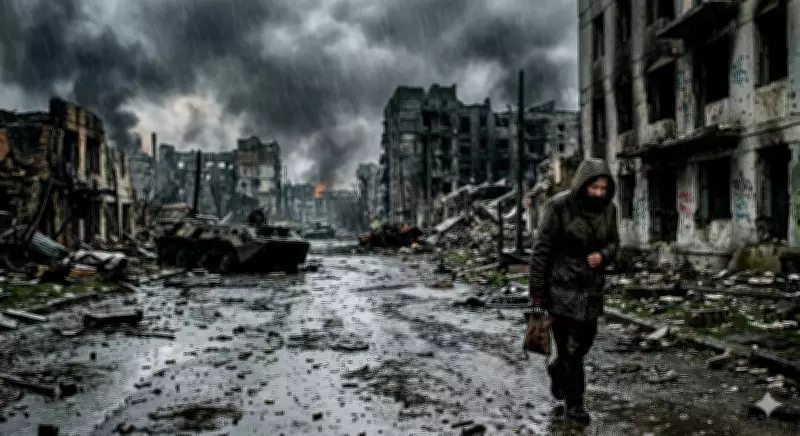
War's Hidden Climate Impact: How Conflict Alters Weather and Environment
War is often measured by its immediate human toll, but its environmental consequences are equally significant and can persist for generations. Beyond the visible destruction on battlefields, conflict acts as a transformative force that reshapes the very air we breathe and the rainfall that nourishes our planet. From oil fires that darken skies to chemicals that poison precipitation, warfare's influence on weather is not merely coincidental but a direct result of explosions, burning, and industrial damage. Understanding this connection reveals war not just as a political event but as a profound ecological phenomenon with far-reaching implications for climate and ecosystems.
How Warfare Triggers Acid Rain Formation
One of the most impactful ways war affects weather is through the creation of acid rain. Military equipment, blasts, and fires release gases such as sulphur dioxide (SO₂) and nitrogen oxides (NOx) into the atmosphere. When these gases combine with water vapor, they form sulphuric and nitric acids, which fall back to Earth as acid rain. Scientific studies, including research from the Environmental Policy and Governance sector on war-related pollution, confirm that emissions of NOx and SO₂ contribute significantly to acid rain and environmental degradation. Areas with intense conflict activities are particularly prone to this weather phenomenon.
Acid rain has severe negative impacts on the environment, harming trees, rivers, and wildlife. For humans, it can manifest as a thick, irritating fog that affects eyes and lungs, creating a lingering and quiet war weather effect that persists long after battles cease.

Toxic Fog and Black Skies in Conflict Zones
War can also generate thick, noxious fog that functions as an artificial weather system. A compelling example reported by the United Nations occurred in Iraq, where burning oil wells produced dense smoke that filled the atmosphere, forming a "fog of war" that blotted out the sun and covered regions in thick soot. In some instances, chemical fires release tens of thousands of tonnes of sulphur dioxide daily, combining with atmospheric moisture to create hazardous gases.
These conditions not only reduce visibility but also alter temperature, sun exposure, and air quality, thereby changing the microclimate of affected areas. The resulting environmental shifts can have lasting effects on local weather patterns and ecological balance.
Chemical Warfare and Atmospheric Contamination
Contemporary warfare introduces more intricate atmospheric changes through the use of chemicals and industrial damage. Hazardous substances, chemicals, and heavy metals employed in conflict can linger in air, land, and water, slowly seeping into the atmosphere via evaporation. Environmental research indicates that warfare contributes to extensive contamination with these pollutants, which can travel through the air and mix with clouds, affecting the nature of rainfall.
Sometimes, chemicals fall into water bodies and later return to the atmosphere, creating a cycle of pollution. A study on the Tigris River by the University of Stuttgart, Germany, during a conflict period recorded alarming levels of dangerous chemicals, including heavy metals that exceeded World Health Organization standards, highlighting the pervasive nature of this contamination.
Long-Term Climate and Environmental Effects
While war may not immediately alter global weather, its environmental impacts can be devastating over time. Conflict destroys ecosystems by clearing land and polluting air and water, disrupting the natural balance required for ecological health. This means war can indirectly change weather through environmental degradation, as seen in the creation of acid rain and toxic fog that pollute the surroundings.
The effects may not be visible to everyone, but they are felt universally, underscoring war's role as a catalyst for environmental change. This perspective is crucial for recognizing the full scope of war's consequences, emphasizing that beyond political and human costs, conflict leaves an indelible mark on our planet's climate and weather systems.






