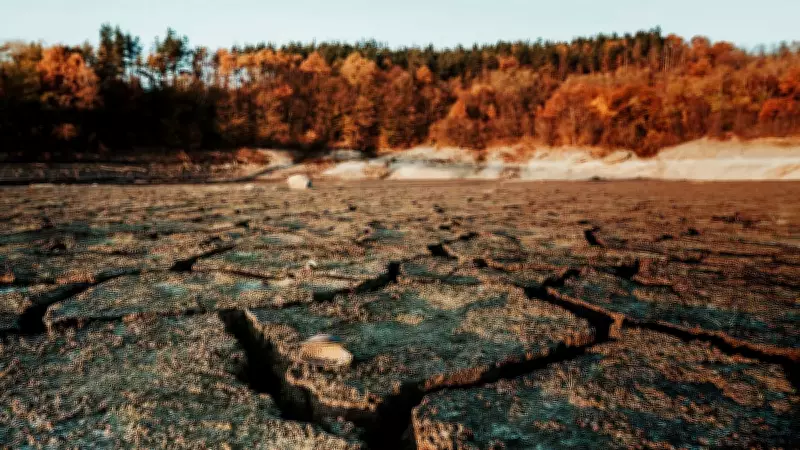
Water Stress Crisis Signals Looming Global Breakdown
The escalating water stress crisis is rapidly approaching a critical point of no return, with devastating consequences already being felt by approximately half of the world's population. This global emergency represents one of the most significant environmental and humanitarian challenges of our time, threatening to undermine decades of development progress and destabilize communities worldwide.
The Tipping Point of Water Scarcity
Water stress has intensified to alarming levels across multiple continents, creating a perfect storm of environmental degradation, population growth, and climate change impacts. The crisis manifests through diminishing freshwater resources, deteriorating water quality, and increasing competition for limited supplies among agricultural, industrial, and domestic users. Scientific evidence indicates that many regions have already crossed critical thresholds where water demand consistently exceeds sustainable supply, creating irreversible damage to ecosystems and human settlements.
Global Population Impact and Regional Vulnerabilities
Currently affecting nearly four billion people globally, water stress disproportionately impacts developing nations and vulnerable communities. In India, the situation presents particular urgency as multiple states face severe water shortages that threaten agricultural productivity, industrial operations, and basic household needs. The crisis extends beyond rural areas to affect major urban centers where water infrastructure struggles to meet growing demands. This widespread impact demonstrates how water stress transcends geographical boundaries and economic classifications, creating shared vulnerabilities across diverse populations.

Environmental and Economic Consequences
The water crisis triggers cascading effects across multiple sectors, including:
- Agricultural disruption: Reduced irrigation capacity threatens food security and farmer livelihoods
- Industrial constraints: Manufacturing and energy production face operational challenges
- Ecosystem degradation: Aquatic habitats and biodiversity suffer irreversible damage
- Health implications: Waterborne diseases increase with compromised water quality
- Economic losses: Productivity declines across water-dependent industries
India's Water Management Challenges
For India, the water stress crisis presents complex challenges that require immediate attention and comprehensive solutions. The country's unique combination of monsoon-dependent agriculture, rapid urbanization, and industrial expansion creates specific vulnerabilities that demand tailored responses. Several Indian states have already implemented water conservation measures, but systemic approaches addressing infrastructure, governance, and consumption patterns remain essential for long-term sustainability.
Pathways Toward Sustainable Water Management
Addressing the global water crisis requires coordinated action across multiple fronts:
- Infrastructure modernization: Upgrading water storage, distribution, and treatment systems
- Policy innovation: Developing integrated water governance frameworks
- Technological solutions: Implementing efficient irrigation and industrial water use technologies
- Community engagement: Promoting water conservation awareness and practices
- International cooperation: Facilitating knowledge sharing and resource management across borders
The water stress crisis represents not merely an environmental concern but a fundamental threat to global stability and human wellbeing. As half the world's population already experiences its impacts, the window for effective intervention narrows daily. Comprehensive, immediate action combining technological innovation, policy reform, and behavioral change offers the only viable pathway to avert the looming breakdown of water systems worldwide.