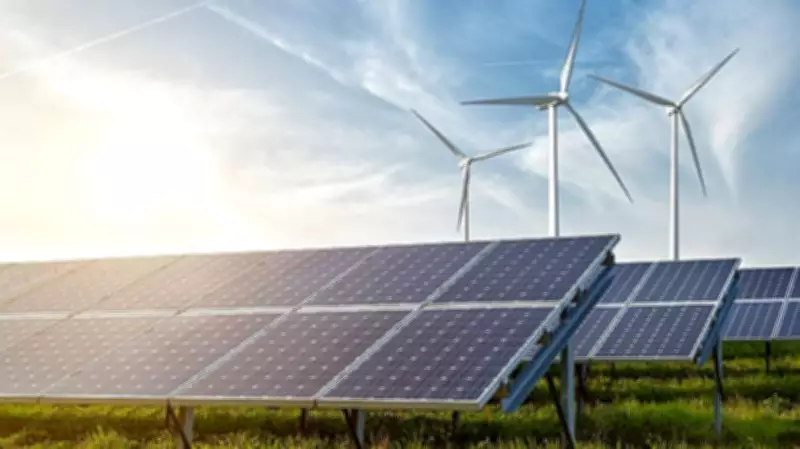
Wealthy Nations Lose Ground in Global Clean Energy Race
A recent analysis by the Global Energy Monitor has highlighted a significant shift in the global clean energy landscape. According to the report, the world's wealthiest economies are no longer the primary drivers of renewable energy expansion, marking a notable change in the dynamics of the transition to sustainable power sources.
Surge in Renewable Capacity Amidst Changing Leadership
The data shows that pre-construction, announced, and in-construction wind and utility-scale solar capacity experienced an 11 per cent year-over-year growth. This increase propelled the total capacity from 4.4 terawatts (TW) to more than 4.9 TW, underscoring the rapid pace of development in the renewable sector worldwide.
This growth, however, is not being led by traditional economic powerhouses. Instead, emerging economies and developing nations are increasingly taking the helm, investing heavily in wind and solar projects to meet energy demands and climate goals. The shift suggests a redistribution of influence in the global energy market, with new players stepping up to accelerate the adoption of clean technologies.

Implications for Global Energy Policies
The findings raise important questions about the role of wealthy nations in the fight against climate change. As these economies lag behind, there is a growing need for enhanced international cooperation and policy adjustments to ensure that all countries contribute effectively to reducing carbon emissions. The report serves as a wake-up call, emphasizing that sustained leadership and investment from all economic tiers are crucial for achieving global sustainability targets.
In summary, while the clean energy sector continues to expand robustly, the changing leadership dynamics highlight the evolving nature of the global energy transition, with implications for economic strategies and environmental commitments worldwide.