Hidden Freshwater Crabs of Western Ghats Reveal Ecosystem Health Secrets
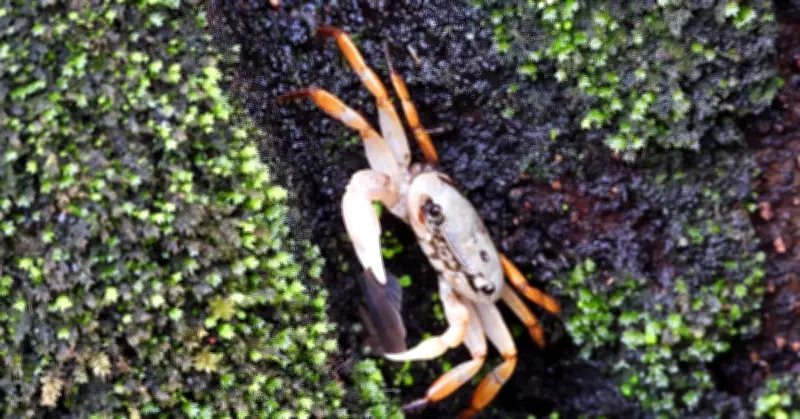
In the lush, biodiverse landscapes of the Western Ghats in Karnataka, scientists have uncovered fascinating new species of freshwater crabs that play a critical role as environmental indicators. These crustaceans, including the recently identified Ghatiana rouxi and Ghatiana dvivarna, are now recognized as vital sentinel species whose presence or absence directly reflects the overall health and stability of their aquatic habitats.
Crabs as Crucial Environmental Indicators
Freshwater crabs are increasingly valued by ecologists and conservation biologists for their sensitivity to environmental changes. As indicator species, these crabs provide early warnings about habitat degradation, pollution levels, and ecosystem imbalances. Their populations thrive in clean, well-oxygenated streams with minimal human disturbance, making them excellent barometers for assessing the conservation status of freshwater systems in the Western Ghats.
Discovery and Habitat Details of New Species
The Ghatiana rouxi species has been documented inhabiting specific microhabitats under small boulders adjacent to waterfalls along stream banks and forest trails. This particular crab prefers the moist, shaded environments created by these geological features, which offer protection from predators and stable temperature conditions.

Meanwhile, the Ghatiana dvivarna represents another significant freshwater crab discovery in the same region. Both species contribute to the remarkable biodiversity of the Western Ghats, a UNESCO World Heritage Site known for its exceptional biological richness and endemic species.
Conservation Implications and Research Significance
The identification of these crab species carries important implications for conservation planning and environmental monitoring programs. Researchers emphasize that protecting these crabs means safeguarding their entire ecosystem, including water quality, riparian vegetation, and associated wildlife.
Ongoing studies focus on understanding the specific habitat requirements, population dynamics, and potential threats facing these crustaceans. Conservationists advocate for increased protection of their stream habitats from deforestation, agricultural runoff, and infrastructure development that could compromise water quality and flow patterns.
As climate change and human activities continue to pressure fragile ecosystems, monitoring species like these freshwater crabs becomes increasingly crucial for maintaining biodiversity and ecosystem services in one of India's most important biological hotspots.