WHO Director-General Decries Geopolitical Impact on Healthcare in Cuba
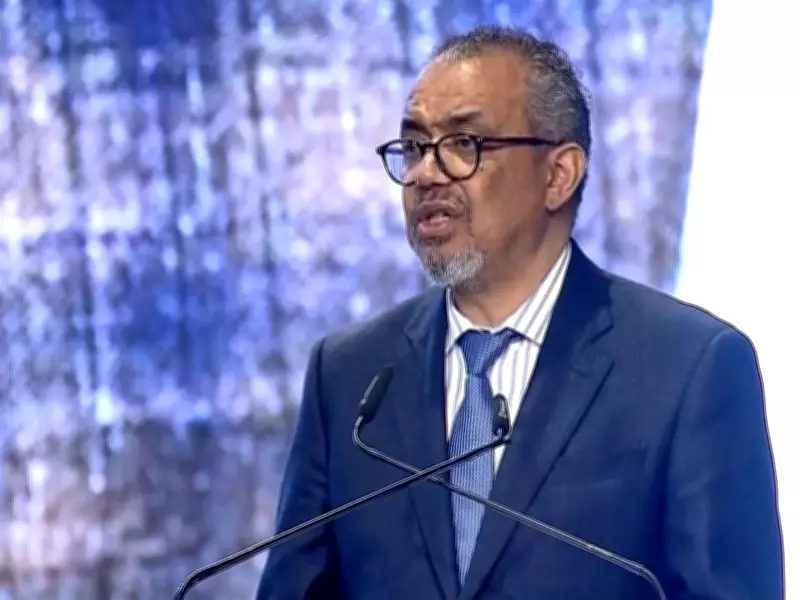
In a stark warning issued from Geneva, the Director-General of the World Health Organisation, Tedros Adhanom Ghebreyesus, emphasized that health must be safeguarded at all costs and should never fall victim to geopolitical conflicts, energy blockades, or power disruptions. His remarks come as Cuba faces a severe healthcare crisis, with the nation grappling to maintain essential health services amidst immense turbulence.
Deep Concerns Over Cuba's Struggling Health System
Ghebreyesus expressed profound concern over the situation in Cuba, where health service delivery is under severe strain. The country is experiencing significant energy shortages, which have directly impacted medical facilities and patient care. Reports indicate that Cuban hospitals are struggling to sustain emergency and intensive care services, leading to thousands of surgeries being postponed in recent months.
Critical patients, including cancer sufferers and pregnant women preparing for delivery, are at heightened risk due to unreliable power supplies. This lack of electricity hampers the operation of vital medical equipment and compromises cold chain storage for vaccines, further exacerbating public health challenges.

Humanitarian Aid Arrives Amidst Worsening Crisis
Amidst this dire scenario, the first vessel of a humanitarian aid flotilla has reached Cuba to provide support. The boat, named "Granma 2.0" in a symbolic nod to Cuban revolutionary history, arrived in Havana carrying essential supplies such as food, medicine, solar panels, and bicycles. This initiative, part of the "Nuestra America" convoy that departed from Mexico, aims to alleviate the island's deepening economic and energy crises.
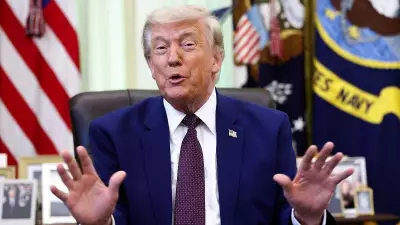
The aid effort unfolds against a backdrop of heightened geopolitical tensions, with the United States imposing stricter energy restrictions under the Trump administration. These measures have intensified Cuba's economic hardships, with political rhetoric from U.S. leaders advocating for regime change on the island.
Urgent Call for Support and Stability
While acknowledging Cuba's efforts to restore power and support health services, Ghebreyesus stressed that people's health cannot be left vulnerable to fluctuating electricity and geopolitical maneuvers. "Cuba's hospitals, clinics, and ambulances are needed now, more than ever, and must be supported to perform their life-saving work," he asserted.
The WHO chief's statement underscores a global imperative: health systems must remain resilient and independent from political strife to ensure universal access to care. As the crisis in Cuba continues, international attention and aid are crucial to mitigating its impact on vulnerable populations.