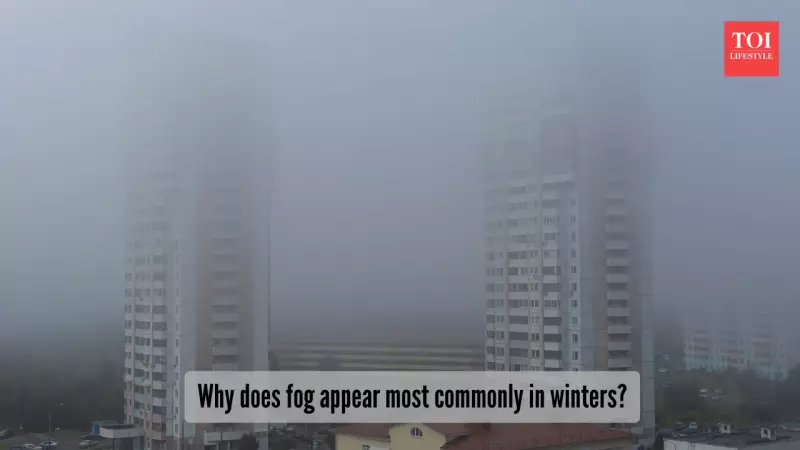
Have you ever walked outside on a chilly winter morning in India, only to find the familiar world transformed into a soft, silent, and mysterious blanket of white? This enchanting yet disruptive phenomenon is fog, nature's own veil that wraps the landscape in its gentle, damp embrace. While it paints a picturesque scene, it also turns well-known roads into vague pathways and significantly slows down life, especially in the northern regions of the country.
The Ground-Level Cloud: What Exactly is Fog?
Fog is essentially a cloud that forms at ground level. It materializes when the invisible water vapour present in the air—coming from sources like human breath, plants, soil, and nearby water bodies—cools down rapidly. This cooling forces the vapour to condense into countless microscopic water droplets that are too tiny to see individually but collectively create a thick, visibility-obscuring mist. This process kicks in when the air temperature drops to within 2.5°C of the dew point, the temperature at which the air becomes fully saturated. On clear winter nights, the ground loses heat quickly, creating the perfect stage for this natural spectacle at dawn.
Why Winter is the Prime Season for Fog in India
The prevalence of fog during the winter months is not a coincidence but a direct result of specific atmospheric conditions. Cold air has a significantly lower capacity to hold water vapour compared to warm air. Think of warm air as a sponge that can absorb a lot of moisture, while cold air is like a squeezed sponge, forcing the excess moisture out as liquid droplets. During long, stable winter nights, the ground cools rapidly, chilling the air layer directly above it until it reaches saturation point. This is why dense fog is a common feature on winter mornings across North India.

Another critical factor is the lack of wind. Calm or very light winds, often associated with high-pressure systems in winter, allow the cold, moist air to pool near the surface. There is no breeze to mix this layer with warmer, drier air above, letting the fog persist for hours. This specific type is known as radiation fog.
Furthermore, available moisture plays a key role. Daytime evaporation from damp soil, rivers, or morning dew leaves ample water vapour in the air. As temperatures plummet after sunset, this vapour rapidly condenses. Winter's shorter days mean less sunlight to evaporate this moisture again, allowing it to linger and contribute to the fog. In densely populated urban areas, this natural fog often mixes with pollution and smoke to form a hazardous smog.
Impacts and the Seasonal Contrast
The consequences of thick winter fog are felt across daily life. It dramatically reduces visibility, leading to:
- Disrupted and dangerous road, rail, and air travel.
- Muffled sounds, creating an eerie quietness.
- Potential health issues when combined with pollutants to form smog.
This phenomenon is uniquely a winter specialty. In summer, high temperatures keep moisture in its gaseous state, and breezes disperse it. Spring and autumn experience frequent temperature shifts that prevent stable fog formation. Winter, with its long nights, low temperatures, calm winds, and high-pressure systems, provides the perfect recipe for persistent fog, especially in the northern plains and river valleys of India. Understanding this science is not just about curiosity—it's crucial for planning safer commutes and appreciating the dynamic nature of our planet's atmosphere.