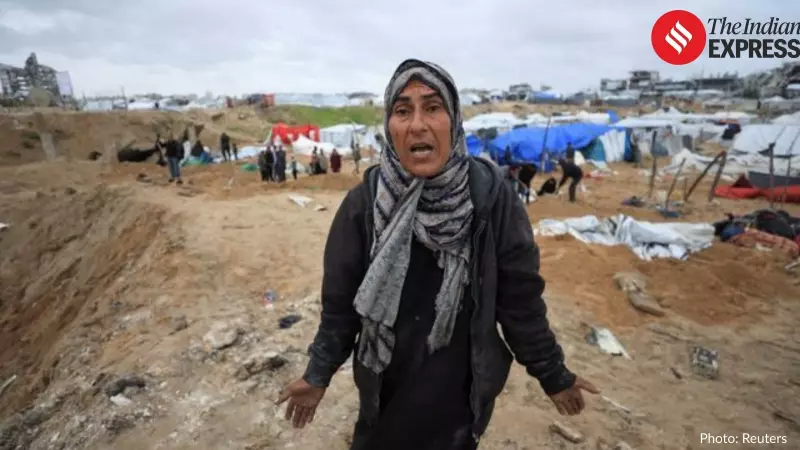
Comparing the global calls for a "Free Palestine" with demands for a "Free Iran" during Iran's anti-government protests creates a false equivalence. This comparison fails to recognize crucial distinctions in political context, international law, and the nature of oppression involved.
The Core Distinction: Occupation vs. Internal Repression
The most fundamental difference lies in the nature of political authority. Palestine, particularly Gaza and the West Bank, exists under prolonged military occupation by Israel. Israel controls borders, airspace, movement, and uses force against a population that is not part of its citizenry. Under international law, this places Israel as an occupying power with specific legal obligations.
Iran, in contrast, is a sovereign state exercising authority over its own population, however repressive that authority may be. This distinction is foundational in political theory. The state's monopoly on the legitimate use of force within its territory, while often abused, remains categorically different from foreign military occupation.

Legal and Conceptual Implications
This difference explains why Israel's actions in Gaza are frequently treated as potential international crimes, including war crimes and crimes against humanity. Iran's actions, while severe, fall primarily within the realm of internal repression and human rights violations. The legal frameworks and international responses differ significantly.
Political Slogans Reflect Material Conditions
Political slogans emerge from specific historical and material realities. "Free Palestine" represents a call for decolonization and self-determination against foreign domination. Palestinians have been denied sovereignty for decades, making this a struggle against external occupation.
"Free Iran," as used in current debates, typically implies regime change within an already sovereign state. Iranians protesting authoritarianism, economic issues, and clerical rule have legitimate grievances, but their struggle is directed at their own government, not an external occupying force.
International Dimensions Matter
Another critical difference is the level of international involvement. Israel's military actions receive substantial backing from powerful Western states, including weapons, political support, and diplomatic protection. This international complicity has spurred global protest movements like BDS.
Iran's internal protests, while potentially exploited by foreign powers, are not sustained by external military occupation. No international alliance is committing large-scale violence on Iranian soil, making the situations fundamentally different in terms of international aggression.
Why This False Equivalence Emerges
Critics often accuse political movements of hypocrisy for being vocal about Gaza while less focused on Iran. This accusation misunderstands how solidarity movements prioritize struggles based on structure, scale, and political responsibility. Demanding equal rhetorical treatment for fundamentally unequal situations creates false equivalence rather than promoting neutrality.
Furthermore, the sudden invocation of Iran by certain commentators often functions as rhetorical diversion. Asking "Why don't you speak about Iran?" frequently serves to delegitimize outrage over Gaza rather than expressing genuine concern for Iranian protesters.
Both Deserve Attention, But Are Not Interchangeable
Both situations involve human suffering and deserve global attention. However, they are not morally, legally, or politically interchangeable. Conflating them erases the crucial difference between liberation from colonial oppression and dissent within a nation-state.
Understanding these distinctions is essential for meaningful political analysis and effective solidarity. False equivalences do not advance justice but rather obscure the specific nature of each struggle and the appropriate responses required.