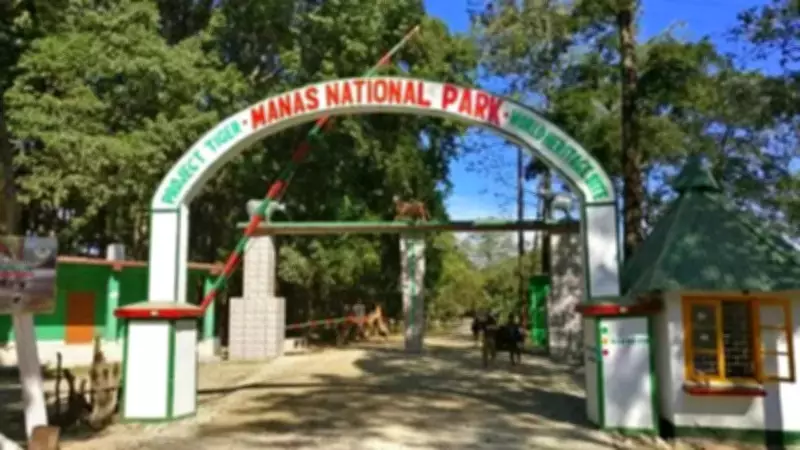
Two Forest Department Personnel Injured in Wild Buffalo Attack at Assam's Manas National Park
A dangerous encounter with a wild buffalo left two forest department personnel injured at Manas National Park in Assam on Saturday, according to official statements from park authorities. The incident highlights the ongoing challenges of human-wildlife conflict in the region.
Details of the Attack and Injuries
One staff member sustained grievous injuries during the sudden charge by the wild buffalo and is currently undergoing intensive medical treatment at Fakhruddin Ali Ahmed Medical College and Hospital in Barpeta district. Medical officials report his condition as stable but critical, requiring close monitoring.
The second injured forest personnel received medical attention for less severe injuries and has been discharged from care following treatment. Both individuals were part of a team attempting to manage the situation when the attack occurred.

Circumstances Leading to the Incident
The confrontation took place near a river stretch along the park's boundary area after a solitary wild buffalo ventured outside the protected zone of Manas National Park. Forest department staff had been attempting to guide the large animal back inside the park boundaries to prevent potential conflicts with nearby village communities.
"Although our personnel maintained what we believed to be adequate distance, the wild buffalo unexpectedly charged at the two staff members," explained a park official familiar with the incident. "One of our team suffered serious injuries in this sudden attack."
Challenges of Wildlife Management at Manas National Park
Spread across approximately 850 square kilometers in the Baksa and Chirang districts of lower Assam at the foothills of the Eastern Himalayas, Manas National Park currently hosts an estimated population of 2,235 wild buffaloes. These large herbivores frequently venture beyond park boundaries through riverine corridors, creating persistent containment difficulties for forest authorities.
"Wild buffaloes can react with extreme speed, leaving minimal response time for our personnel," the official emphasized. "Our staff members operate under constant risk as they work to prevent harm to nearby villagers while ensuring these animals return safely to protected areas within the park."
Broader Implications and Ongoing Monitoring
Wild buffalo attacks continue to represent a significant concern throughout the region, affecting both frontline forest department staff and local residents living in proximity to protected areas. Park authorities and wildlife officials are implementing enhanced monitoring protocols along sensitive boundary zones and riverine areas to reduce the likelihood of similar incidents occurring in the future.
The incident underscores the complex balance between wildlife conservation efforts and human safety considerations in biodiverse regions like Assam. Forest department personnel regularly face hazardous situations while performing their duties to protect both endangered species and local communities from potential conflicts.