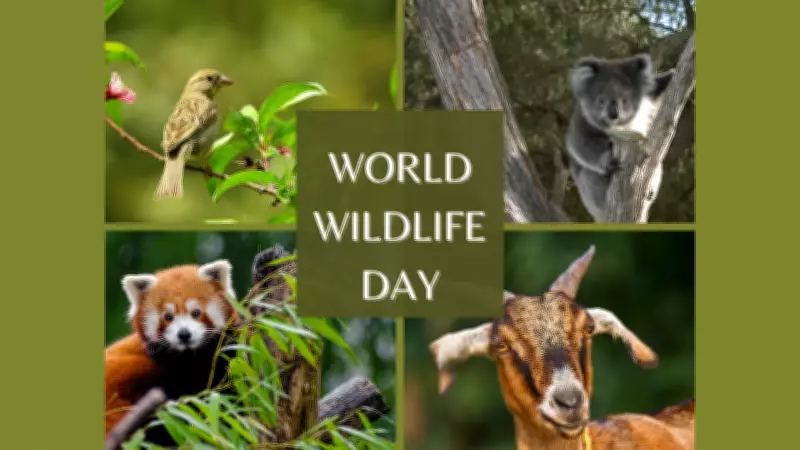
World Wildlife Day 2026 Shines Spotlight on Medicinal and Aromatic Plants
World Wildlife Day is celebrated globally today, March 3, with a renewed focus on the critical importance of protecting wild animals and plants across the planet. This annual observance recognizes the vital role that wildlife plays in sustaining ecosystems, supporting livelihoods, and maintaining ecological balance for all life forms.
Political Leaders Reaffirm Commitment to Wildlife Conservation
Union Home Minister Amit Shah reiterated India's steadfast commitment to the cause of wildlife conservation in a social media message. He emphasized that the country's eternal values teach people to live in harmony with nature, stating that every form of life, from the majestic royal tiger to the smallest species, plays an indispensable role in maintaining ecological balance. Shah called for strengthening the collective commitment to wildlife conservation efforts nationwide.
Prime Minister Narendra Modi echoed this sentiment on the platform X, sharing, "World Wildlife Day is about celebrating the incredible faunal diversity that enriches our planet and sustains our ecosystems. It is a day to acknowledge everyone working towards wildlife protection. We reaffirm our commitment to conservation, sustainable practices and protecting habitats so that our wildlife continues to thrive."

Origins and Significance of World Wildlife Day
On December 20, 2013, at its 68th Session, the United Nations General Assembly (UNGA) officially declared March 3 as United Nations World Wildlife Day (WWD). This date marks the anniversary of the 1973 signing of the Convention on International Trade in Endangered Species of Wild Fauna and Flora (CITES). The CITES Secretariat was designated to facilitate the global observance, which has since evolved into the world's leading annual event dedicated exclusively to wildlife issues.
Wildlife and biodiversity are fundamental to human life, providing essential resources such as food, fuel, medicine, and employment opportunities. World Wildlife Day honors this intrinsic link between humanity and wildlife, emphasizing the international obligation to safeguard biodiversity for future generations.
2026 Theme: Medicinal and Aromatic Plants Take Center Stage
While iconic species like tigers, elephants, and rhinos often dominate conservation headlines, the 2026 theme shifts attention to: "Medicinal and Aromatic Plants: Conserving Health, Heritage and Livelihoods." Observed annually on March 3 under the aegis of the United Nations, World Wildlife Day highlights the role of wild animals and plants in sustaining ecosystems and human well-being. This year's specific focus on medicinal and aromatic plants (MAPs) places global attention on species that form the backbone of both traditional medicine and modern pharmaceuticals.
Throughout the world, communities depend on plants such as American ginseng, spikenard, and agarwood for disease prevention and treatment. The World Health Organization reports that between 70% to 95% of the population in developing countries rely on traditional medicine for their primary healthcare needs, with a significant proportion involving plant-based medicines. Beyond healthcare, these plants contribute substantially to industries including cosmetics, food production, perfumery, and luxury goods. Genetic resources derived from MAPs, along with associated traditional knowledge, are also utilized in agriculture, conservation efforts, and modern drug development.
Conservation Challenges and Economic Implications
However, rising global demand for medicinal and aromatic plants comes at a significant cost. Approximately 50,000 to 70,000 MAP species are collected worldwide, with about 1,500 of these listed under CITES due to trade concerns. More than 20% of plant species used for medicinal purposes are listed on the International Union for Conservation of Nature (IUCN) Red List, threatened by overharvesting, habitat loss, climate change, and illicit trade activities.

Wild harvesting serves as the primary source of food and income for millions of families globally, particularly in remote and indigenous communities. One in five people worldwide utilizes wild plants, algae, and fungi for sustenance and economic support, making the stakes both ecological and economic. The 2026 theme aligns with several targets of the Kunming–Montreal Global Biodiversity Framework, especially those focusing on sustainable use of wild species, ecosystem restoration, and equitable benefit-sharing with Indigenous and local populations.
The Economics of Traditional Medicine and Conservation
Traditional medicine represents a substantial economic sector globally. For instance, the global revenue from traditional Chinese medicine reached USD 83 billion in 2012. In the Republic of Korea, annual expenditures in this sector stood at USD 7.4 billion in 2009. In the United States, private spending on natural products touched USD 14.8 billion in 2008, while Europe's herbal supplement market is estimated at USD 7.4 billion annually. These figures underscore a critical reality: the conservation of medicinal plants is inseparable from economic policy, trade regulation, and sustainable harvesting practices.
Global Observance and Future Directions
The 2026 United Nations observance of World Wildlife Day will be livestreamed on the official World Wildlife Day YouTube channel. The CITES Secretariat has partnered with key organizations including the United Nations Development Programme (UNDP), Jackson Wild (host of the World Wildlife Day Film Showcase), and the International Fund for Animal Welfare (IFAW), which organizes the International Youth Art Contest. In 2026, the overarching message is clear: conserving nature extends beyond protecting animals in forests; it also involves safeguarding the herbs that heal, sustain, and connect people to their cultural heritage.