

Unveiling the Depths: The World's Deepest Rivers
Rivers are vital natural features that sculpt landscapes, support diverse ecosystems, and provide essential resources for human survival. Yet, one aspect often overlooked is their depth. The world's deepest rivers reveal a hidden dimension of these powerful watercourses, formed through complex geological activities, erosion, and substantial water flows.
Measuring River Depth: Challenges and Accuracy
Determining the exact depth of rivers can be challenging due to factors like seasonal fluctuations and varying precipitation levels. However, scientists have developed precise methods to measure maximum depths, offering reliable data for major rivers. This ranking focuses solely on depth, not size or volume, highlighting the most profound aquatic channels on Earth.
Top 10 Deepest Rivers in the World
Based on data from World Geography, here is a detailed list of the deepest rivers, showcasing their unique characteristics and contributions to their regions.

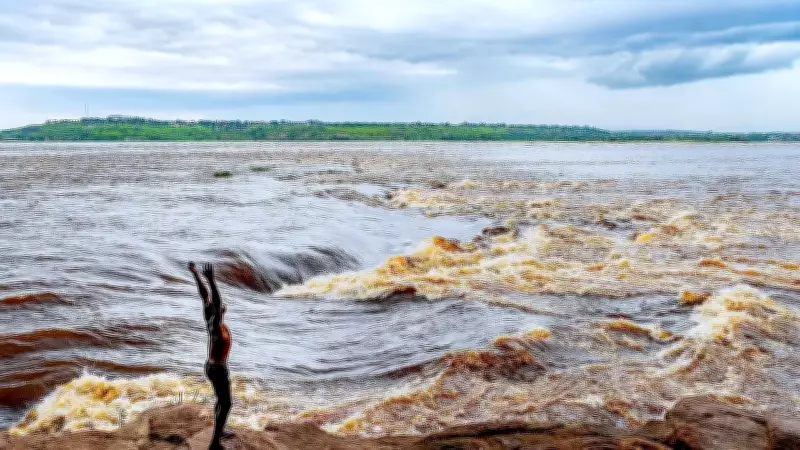
- Congo River (~250 m): Widely recognized as the deepest river globally, the Congo River in Central Africa reaches depths of up to 250 meters. Its profound channels are carved by strong currents and sharp underwater formations, draining immense volumes of water into the Atlantic Ocean.
- Yangtze River (~200 m): As Asia's largest river, the Yangtze attains depths of about 200 meters, particularly in the Three Gorges area. Steep gorges and mountainous terrain enhance its depth, making it crucial for transportation, hydroelectric power, and water supply.
- Danube River (~178 m): Flowing through multiple European countries, the Danube River has maximum depths of 178 meters. Its deep valleys, shaped by long-term geological shifts, facilitate trade and transport across numerous towns.
- Zambezi River (~116 m): Located in southern Africa, the Zambezi River reaches depths of approximately 116 meters. Erosion and rapid water flow have created canyons and iconic features like Victoria Falls, contributing to its depth.
- Mekong River (~100 m): This Southeast Asian river has depths of about 100 meters, influenced by monsoon rains that cause seasonal variations. It supports rich ecosystems and is vital for agriculture and fishing in the region.
- Amazon River (~91 m): Carrying more water than any other river, the Amazon reaches depths of around 91 meters. Seasonal flooding and heavy rainfall affect its depth, making it a key component of the world's largest river basin.
- Yellow River (~80 m): Known as "Huang He," the Yellow River has depths up to 80 meters. High sediment transport alters its bed elevation, increasing depth, while human activities like irrigation also impact its characteristics.
- Hudson River (~66 m): Flowing through New York, the Hudson River features fjord-like sections with depths of about 66 meters. Geological formations, especially at West Point, contribute to its deep waters.
- Saint Lawrence River (~65 m): Connecting the Great Lakes to the Atlantic Ocean, this river has a maximum depth of 65 meters. Glacial activity formed its deep channels, which transport vast amounts of freshwater.
- Mississippi River (~61 m): In its lower course, the Mississippi River reaches depths of up to 61 meters. Sediment transport and confluences, such as with the Ohio River, shape its bed, influencing depth variations.
Ecological and Human Significance
These deep rivers play critical roles in biodiversity, climate regulation, and human economies. From fostering unique aquatic habitats to enabling navigation and resource extraction, their depths enhance their functionality and resilience. Understanding these aspects underscores the importance of conserving these natural wonders for future generations.






