Youth in Telangana Turn to Folk Art to Spotlight Musi River's Deteriorating Health
In a creative departure from conventional protests, a group of young residents from villages along the Musi River in the undivided Nalgonda district of Telangana has launched a unique awareness campaign. They are harnessing the power of traditional folk art to draw urgent attention to the river's rapidly worsening pollution levels.
Transforming Riverbanks into Stages for Environmental Storytelling
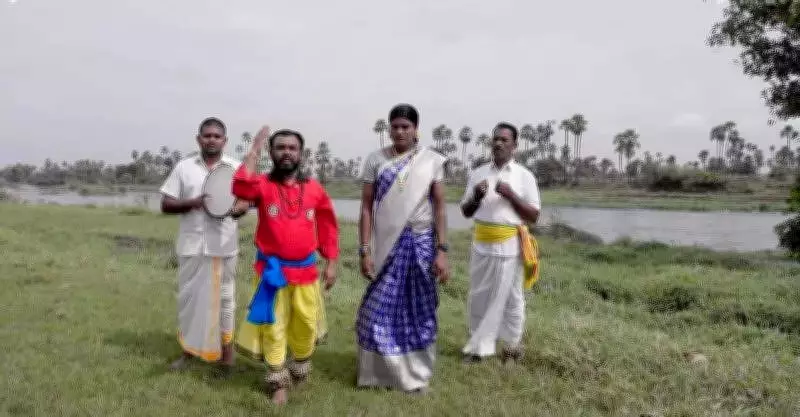
The initiative brings together a diverse array of local artists, including Chindu Yaksha Ganam performers, Oggu Katha storytellers, folk singers, poets, and visual artists. Together, they have transformed sections of the Musi's banks into vibrant, open-air performance spaces. Through songs, narratives, and artistic displays deeply rooted in regional traditions, these performances vividly trace the river's journey—from its pristine origins in the Ananthagiri Hills to its current, heavily polluted state.
Unlike typical awareness drives, this campaign unfolds directly along the river's course. Performances are strategically held near severely polluted stretches, agricultural fields irrigated with contaminated Musi water, and under bridges where daily community life intersects with the river. This immersive approach aims to let the river and its surrounding communities narrate their own compelling story.

Amplifying Local Voices Through Live Experiences
Organizer Balu Sandliyasa emphasized that the group's focus is on capturing and sharing authentic, live experiences rather than delivering scripted messages. By integrating the voices and perspectives of local residents, the initiative fosters a grassroots connection to the environmental issue, making the pollution crisis more relatable and urgent for audiences.
This innovative method not only preserves cultural heritage but also leverages it as a powerful tool for environmental advocacy. The blend of art and activism highlights how traditional forms can be repurposed to address contemporary ecological challenges, engaging communities in a meaningful dialogue about conservation.
The effort underscores a growing movement among youth in rural Telangana to tackle environmental degradation through culturally resonant means. By turning to folk art instead of marches or speeches, they are creating a lasting impact that resonates both emotionally and socially, urging action to restore the Musi River's health for future generations.