Zelenskyy Accuses Russia of Sharing US Military Intelligence with Iran
Ukrainian President Volodymyr Zelenskyy has made a startling allegation, claiming that Russia obtained and shared satellite imagery of United States air bases in the Gulf region with Iran prior to Tehran's recent attack. This accusation, which has significant implications for international security, was made during a public address where Zelenskyy also sharply criticized any moves to ease sanctions on Moscow.
Details of the Alleged Intelligence Sharing
According to Zelenskyy, Russian intelligence services captured detailed satellite images of key US military installations in the Gulf. These bases, which are critical for US operations in the Middle East, were reportedly targeted in Iran's attack. Zelenskyy asserted that this intelligence was deliberately passed to Iranian authorities, enabling them to plan and execute their assault with greater precision. The Ukrainian leader did not specify the exact locations or dates, but emphasized the strategic nature of the information shared.
Context of Iran's Recent Attack
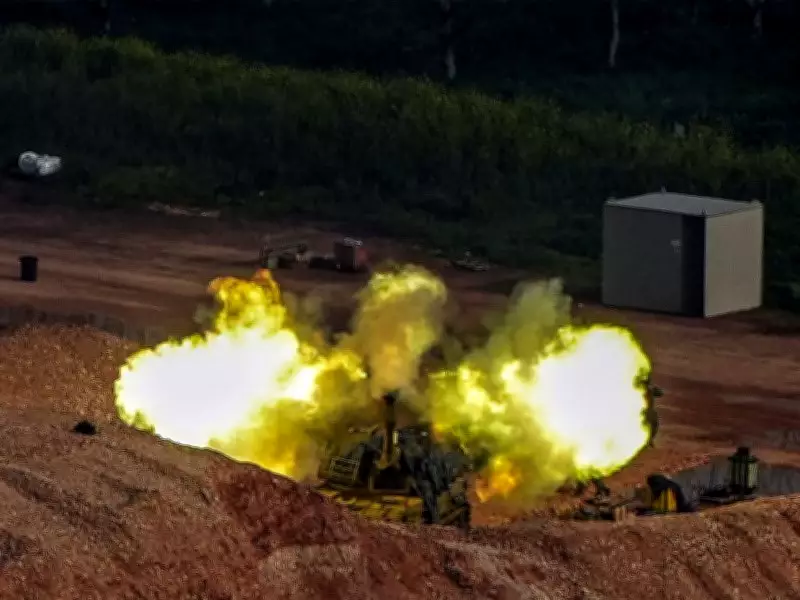
The allegations come in the wake of a significant military strike by Iran, which targeted US assets in the Gulf. This attack has heightened tensions in the region and raised concerns about broader geopolitical instability. Zelenskyy's claims suggest that Russia played a covert role in facilitating this aggression, potentially as part of its broader strategy to challenge US influence globally. The timing of this revelation is particularly sensitive, given ongoing diplomatic efforts to address conflicts in Ukraine and the Middle East.

Zelenskyy's Critique of Sanctions Easing
In his statement, Zelenskyy strongly questioned the logic of easing sanctions on Russia in light of these allegations. He argued that such actions would reward Moscow for behavior that undermines international security and supports hostile regimes. "How can we consider relaxing sanctions when Russia is actively aiding attacks on US allies?" Zelenskyy remarked, highlighting the contradiction between diplomatic gestures and on-ground realities. His comments reflect Ukraine's persistent call for maintaining pressure on Russia through economic measures.
International Reactions and Implications
The allegations have sparked immediate reactions from global observers. If proven true, this could represent a serious escalation in Russia-Iran cooperation, with direct consequences for US military strategy in the Gulf. Experts note that such intelligence sharing would violate international norms and could lead to calls for stricter sanctions. However, neither Russia nor Iran has officially responded to Zelenskyy's claims, leaving the situation shrouded in uncertainty. The US government is likely to investigate these assertions closely, given their potential impact on national security.
Broader Geopolitical Ramifications
This incident underscores the complex web of alliances and conflicts shaping current world affairs. Zelenskyy's accusations highlight how the war in Ukraine is interconnected with Middle Eastern dynamics, with Russia leveraging regional tensions to advance its interests. The ease of sanctions on Moscow remains a contentious issue, with Western nations balancing economic pressures against diplomatic objectives. As this story develops, it may influence policy decisions regarding Russia's global engagements and the stability of the Gulf region.