

Zelenskyy Accuses Russia of Supplying Iranian Drones for Attacks on US Bases
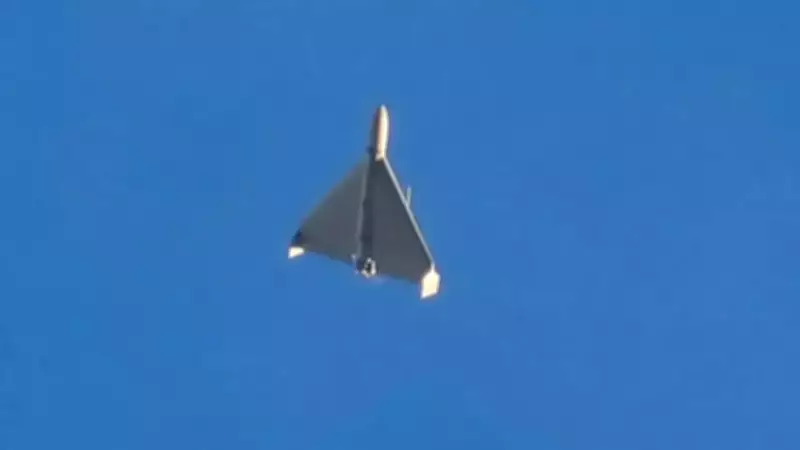
Ukrainian President Volodymyr Zelenskyy has made a stark allegation, claiming that Russia is actively supplying Iran with Shahed-136 drones, which are being deployed in attacks against United States and Israeli targets. In a recent interview with CNN, Zelenskyy told journalist Fareed Zakaria that it is "100% fact" that Iran has utilized Russian-made Shahed drones in assaults on American military installations.
Details of the Allegations and Broader Context
Earlier this week, Zelenskyy reinforced these claims in a post on the social media platform X, stating, "Russia has started supporting the Iranian regime with drones. It will definitely help with missiles, and it is also helping them with air defense." However, he did not provide specific evidence or detailed information regarding the nature of this assistance. The CNN report also highlighted that Russia has shared imagery from its satellite network with Iran, though the exact reciprocation from Tehran remains unclear. Moscow has previously denied any intelligence-sharing activities with Iran.
Shahed drones have been implicated in numerous attacks across the Middle East, although the precise origin of some drones used in these strikes has not always been verified. This development raises significant concerns about regional security and international alliances.

What Are Shahed-136 Drones?
The Shahed-136 is a loitering munition originally developed by Iran as a cost-effective alternative to traditional missiles. Featuring a delta-wing design, this drone can travel extensive distances—approximately 1,000 miles—before diving into a target and detonating its explosive payload, which weighs between 66 and 123 pounds. It reaches speeds of about 114 miles per hour.
Each unit is estimated to cost between $20,000 and $50,000, making it substantially cheaper than conventional missile systems while still capable of inflicting considerable damage. This affordability enables militaries to deploy them in large swarms, overwhelming air-defense systems and forcing adversaries to use far more expensive interceptor missiles.
Global Deployment and Strategic Implications
Shahed drones first saw extensive use during Russia's invasion of Ukraine, with Ukrainian officials reporting thousands launched by Russian forces since late 2022. Initially supplied by Iran to Russia, Moscow has since begun domestic production of similar versions. Other militaries, including the United States, have also adopted Shahed-type drones.
In the Middle East, Iran has deployed large numbers of drones targeting sites in countries such as Kuwait, Qatar, Saudi Arabia, Bahrain, and the United Arab Emirates. Regional authorities have intercepted hundreds, but some have struck critical infrastructure including airports, ports, hotels, and residential buildings. The proliferation of these low-cost drones has prompted the United States to reconsider its defense strategies in response to evolving threats.
The allegations by Zelenskyy underscore growing tensions and the complex web of military support in global conflicts, highlighting the need for heightened vigilance and diplomatic efforts to address these security challenges.






