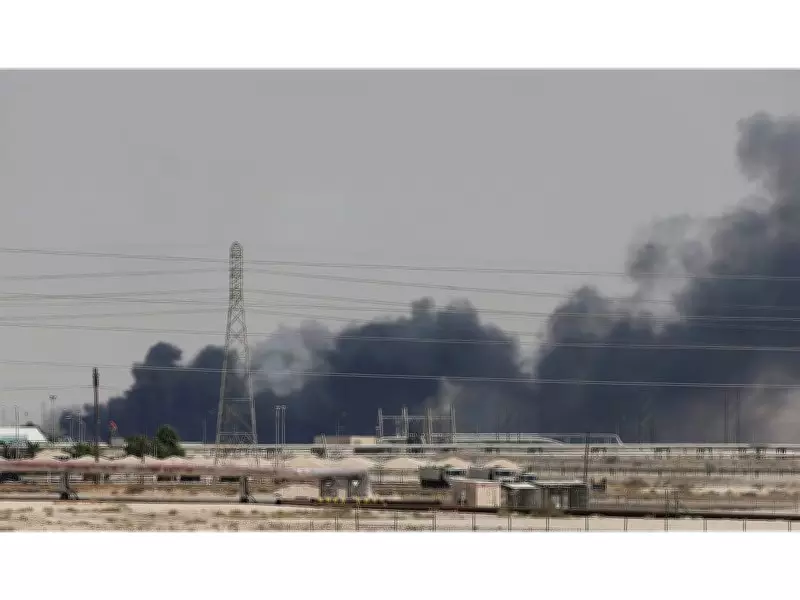
Saudi Air Defences Neutralise 10 Hostile Drones in Riyadh and Eastern Territories
The Saudi Ministry of Defence has confirmed a significant escalation in aerial threats, announcing the successful interception and destruction of 10 hostile drones targeting the capital city of Riyadh and the eastern regions of the kingdom. This operation underscores the heightened security measures in place to protect critical infrastructure and civilian areas from persistent drone incursions.
Series of Aerial Engagements Across Saudi Arabia
This latest announcement follows a series of earlier interceptions, highlighting a pattern of increased drone activity. Just an hour prior, the ministry reported destroying two other drones in the eastern part of the country. Preceding these incidents, Saudi forces had already neutralised seven drones across the same central and eastern territories, demonstrating the ongoing vigilance of the kingdom's air defence systems.
Further north, in the Al-Jawf region, the Ministry of Defence confirmed on Saturday that its air defence forces intercepted and destroyed another drone after it was detected entering Saudi airspace. This adds to a massive wave of hostilities earlier in the week, where Saudi Arabia reported intercepting nearly 50 drones within a span of just a few hours early Friday.

Unprecedented Threat Levels and Regional Implications
According to Euro News, officials have noted that the sheer volume of drones represents an unusually high level of aerial threats for Saudi Arabia. The escalation comes as critical locations in the kingdom, including the United States Embassy in Riyadh, key oil infrastructure, and a military base hosting American troops, face heightened risks. These tensions are intensifying amid the broader conflict involving Iran.
Contributing to this volatile climate, the Israeli military confirmed it launched a new wave of strikes in Tehran on Friday morning. The IDF stated it has begun a wide-scale wave of strikes targeting infrastructure of the Iranian terror regime across Tehran. Simultaneously, Israel extended its operations into Lebanon, striking the Al-Zrariya Bridge on the Litani River, which the IDF asserted was used by Hezbollah to move forces.
International Responses and Strategic Concerns
As these multi-front engagements continue, US President Donald Trump signalled Washington's intention to intensify its campaign against the Iranian regime. In a post on Truth Social, he claimed the US was winning the conflict, asserting that Iran's navy and air force are being decimated. We have unparalleled firepower, unlimited ammunition, and plenty of time - watch what happens to these deranged scumbags today, Trump said, linking his actions as the 47th President to countering Iran's global influence.
However, despite this show of force, concerns regarding regional stability persist. A CNN report suggested that the Trump administration may have underestimated the likelihood of Iran closing the strategic Strait of Hormuz in response to military strikes. Sources revealed that while planning for the ongoing operation, the Pentagon and the National Security Council did not fully anticipate Tehran would attempt to close the waterway, despite long-standing US military contingency plans for such a scenario.
This sequence of events highlights the complex and escalating dynamics in the Middle East, with Saudi Arabia's air defences playing a crucial role in mitigating immediate threats while broader geopolitical tensions continue to unfold.