

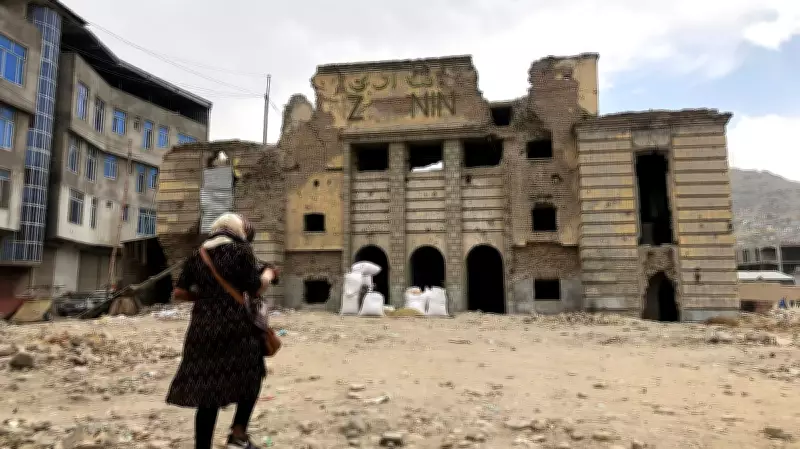
A Reporter's Journey: 10 Days in Afghanistan Beyond the Headlines
In a compelling firsthand dispatch, a journalist recently spent ten days on the ground in Afghanistan, offering a nuanced perspective that challenges simplistic portrayals of the nation. While acknowledging the undeniable presence of risk and violence, the report emphasizes that Afghanistan is a place of profound complexity and human resilience, far exceeding the narrow lens often applied in international coverage.
Venturing Beyond the Obvious Dangers
The assignment, undertaken from a base starting in regions like Kashmir, involved direct immersion into Afghan communities. The journalist confirms that the environment is not without its perils; security concerns and sporadic violence remain a tangible part of the landscape. However, the core of the narrative shifts focus to what lies beneath these surface-level challenges.
The experience began with the arrival, a moment captured from inside an aircraft approaching Afghan airspace, symbolizing the transition into a world frequently misunderstood. Upon landing, the reporting moved into the heart of local life, specifically documenting scenes from an Afghan neighborhood in Kabul. These areas, often depicted solely through the prism of conflict, were revealed to be vibrant hubs of daily activity, commerce, and social interaction.

Uncovering the Human Dimension
The ten-day immersion allowed for observations that go beyond statistical reports or political analyses. The journalist notes the resilience of the Afghan people, their routines, and the cultural fabric that persists despite decades of turmoil. This aspect of the story is crucial, as it provides a more holistic view of a country too often reduced to headlines about instability.
The account details interactions and scenes that illustrate normalcy amidst adversity. From marketplaces operating with cautious vigor to community gatherings that reflect enduring social bonds, the report paints a picture of a society navigating its circumstances with determination. This human dimension is presented as a vital, yet frequently overlooked, component of understanding Afghanistan today.
Context and Broader Implications
Placing the journey within a broader geopolitical context, the reporting touches on the regional dynamics, including connections to areas like Kashmir, though the primary focus remains firmly on the Afghan experience. The narrative suggests that such on-the-ground journalism is essential for moving past stereotypical narratives and fostering a more informed global perspective.
In summary, this ten-day expedition into Afghanistan serves as a powerful reminder that nations are multifaceted. While risks are real and violence is part of the story, there exists a richer, more complex reality defined by the everyday lives and enduring spirit of its people. The report concludes by advocating for continued, nuanced coverage that captures this full spectrum, ensuring the world sees Afghanistan not just as a zone of conflict, but as a land of individuals striving for normalcy and peace.






