

Ukrainian Strike Traps 41 Miners in Russian-Controlled Luhansk Coal Mine
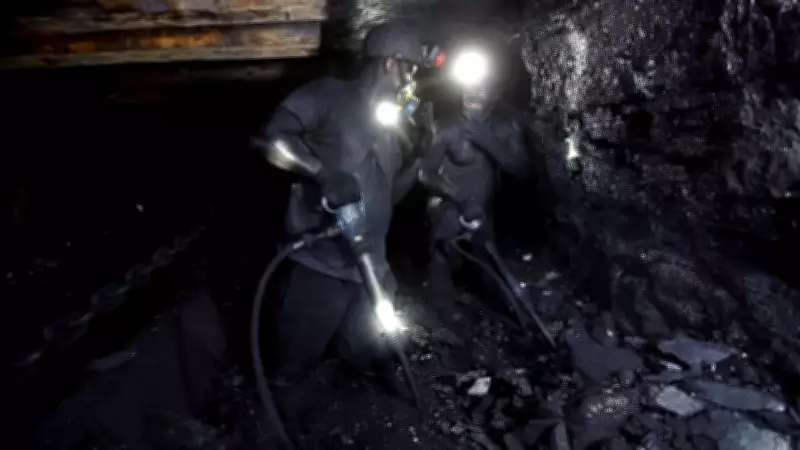
A Ukrainian military strike has resulted in at least 41 miners being trapped underground at a coal mine in the Russian-controlled Luhansk region, according to a Moscow-installed official on Monday. The incident highlights the escalating risks to civilian infrastructure amid the ongoing conflict between Russia and Ukraine.
Details of the Attack and Rescue Efforts
Leonid Pasechnik, the Russian-appointed leader in Luhansk, reported that the strike specifically targeted the Bilorichenska coal mine. The attack caused significant damage to a power substation, leading to a complete electricity cutoff that stranded workers below ground. Pasechnik emphasized that all relevant emergency services are actively engaged in efforts to rescue the miners and restore power to the facility.
Contact has been established with the trapped miners, and they have confirmed access to drinking water, which raises hopes for a safe and successful rescue operation. The availability of water is a critical factor in sustaining the miners while rescue teams work to extract them from the hazardous conditions.

Broader Context of the Conflict
This incident occurs against a backdrop of continued cross-border strikes and military engagements in the Russia-Ukraine war. Infrastructure sites, including energy and industrial facilities, are increasingly becoming targets, posing severe threats to civilian safety and economic stability in the region.
The targeting of the Bilorichenska coal mine underscores the complex dynamics of the conflict, where strategic military actions can have dire humanitarian consequences. As rescue operations proceed, the situation remains fluid, with authorities monitoring developments closely to ensure the miners' well-being.
The ongoing conflict has seen numerous such incidents, with both sides accusing each other of endangering civilian lives through attacks on critical infrastructure. This latest event adds to the growing list of casualties and disruptions caused by the war, further complicating efforts to achieve peace and stability in Eastern Europe.






