In a significant escalation of violence, six soldiers of the Pakistan Army were killed in a series of coordinated attacks across the restive Balochistan province. The assaults, which targeted security forces in at least two separate locations, have been claimed by the outlawed Balochistan Liberation Army (BLA).
Details of the Coordinated Assaults
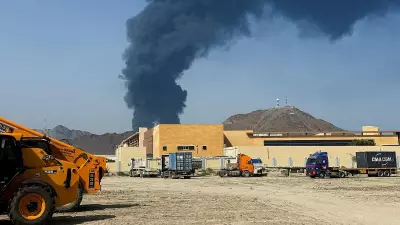
The attacks unfolded on Tuesday, striking security posts in the districts of Machh and Kolpur. According to official statements from the Pakistani military's media wing, the Inter-Services Public Relations (ISPR), the first attack involved an explosive device detonated near a security forces vehicle in the Machh area. This initial blast resulted in the deaths of several soldiers.
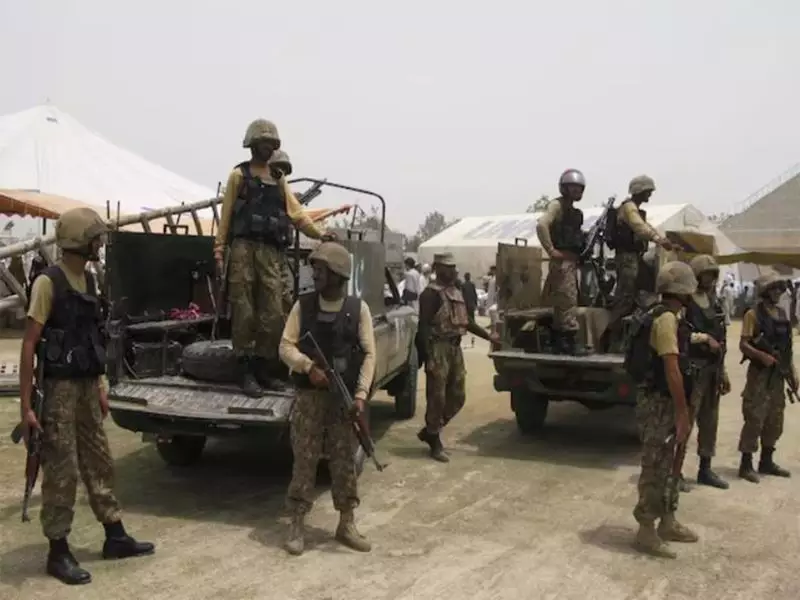
Subsequently, armed militants launched a direct assault on a post in the Kolpur region, leading to a fierce exchange of fire. The ISPR confirmed that Pakistani troops effectively responded and engaged the attackers. However, the confrontations resulted in the tragic loss of six soldiers' lives. The military statement did not specify if any militants were killed or injured in the retaliatory action.

BLA's Claim of Responsibility
The Balochistan Liberation Army, a pro-independence militant group designated as a terrorist organization by Pakistan, the United Kingdom, and the United States, swiftly claimed responsibility for the deadly operations. A spokesperson for the group stated that their fighters had successfully targeted Pakistani military installations. The BLA has been waging a long-running insurgency in the resource-rich province, accusing the central government of exploitation and human rights abuses.
These latest incidents highlight the persistent and severe security challenges faced by Pakistan in its largest province. Balochistan has been a hotspot for separatist violence, militant activities, and sectarian strife for decades, despite ongoing military operations aimed at restoring stability.
Context and Ongoing Conflict in Balochistan
The attacks come amid a backdrop of heightened tensions. The BLA and other Baloch separatist groups have intensified their campaign against state infrastructure and security forces in recent months. Their grievances center on demands for greater autonomy, control over provincial resources, and an end to what they describe as enforced disappearances and extrajudicial killings.
The Pakistani state maintains that it is undertaking development projects in the province and accuses hostile foreign intelligence agencies of fueling the insurgency. The conflict has resulted in significant casualties on both sides, including security personnel and civilians caught in the crossfire.
The loss of six soldiers in a single day represents one of the more severe blows to the security forces in recent weeks. It underscores the formidable capacity of militant groups to launch simultaneous attacks in different areas, challenging the military's control and intelligence network in the rugged terrain of Balochistan.
Implications and Regional Security
This escalation of violence has serious implications for regional security and Pakistan's internal stability. The attacks demonstrate the BLA's continued operational capability and its intent to disrupt peace. For India, which shares a complex relationship with Pakistan, developments in Balochistan are closely monitored, given the historical context of cross-border tensions and allegations.
The Pakistani military has vowed to continue its operations to eliminate the threat of terrorism and militancy from the province. However, analysts suggest that a purely military solution has proven elusive, and a political settlement addressing the root causes of the alienation among the Baloch people remains critical for lasting peace.
As the situation develops, the international community watches closely, concerned about the potential for further instability in a region already fraught with geopolitical challenges. The deaths of these six soldiers mark another somber chapter in the protracted conflict within Balochistan.