Afghanistan Conducts Drone Strikes on Pakistani Military Installations
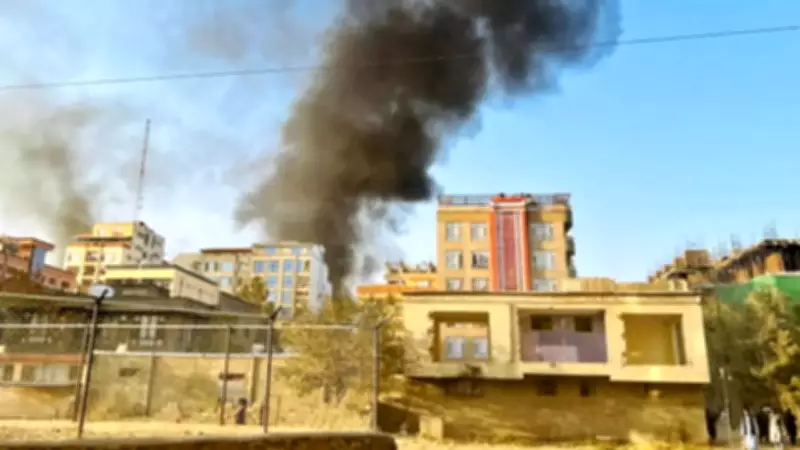
In a significant escalation of hostilities, Afghanistan announced on Friday that it had executed drone strikes targeting Pakistani military establishments. This action comes amid ongoing border clashes between the two neighboring nations, which have seen a surge in violence in recent days. Pakistan, in response, claimed to have successfully intercepted and shot down the drones using its advanced anti-drone defense systems, reporting no immediate casualties from these specific attacks.
Retaliatory Strikes and Border Confrontations
The Afghan military initiated these assaults late Thursday, launching attacks along the shared border across six provinces. Afghan authorities framed this move as a direct retaliation for Pakistani airstrikes that occurred on Sunday in Afghan border regions. Afghanistan asserted it possessed "irrefutable evidence" linking militants based in Afghanistan to a recent series of attacks and suicide bombings within Pakistan, justifying its military response.
Fighting persisted into Friday morning, particularly in the Torkham border area of Nangarhar province, as confirmed by Afghan officials. They further alleged that Pakistani mortar fire struck civilian zones, including a refugee camp that had been evacuated overnight. This accusation adds a layer of complexity to the conflict, highlighting risks to non-combatants.

Conflicting Casualty Reports and War Declarations
Casualty figures presented by both sides diverge sharply, underscoring the fog of war. Afghanistan's defense ministry reported that 55 Pakistani soldiers were killed, while eight Afghan soldiers lost their lives. In contrast, Pakistan's information minister, Attaullah Tarar, stated that only two Pakistani soldiers were killed and three wounded. A spokesperson for Prime Minister Shehbaz Sharif firmly denied claims of captured Pakistani soldiers and asserted that over 100 Afghan fighters had been eliminated.
Adding to the tension, Pakistan's defense minister, Khawaja Mohammad Asif, declared that the country now considers itself in an "open war" with Afghanistan. This statement marks a severe deterioration in bilateral relations, moving beyond sporadic skirmishes to a more sustained conflict.
International Calls for Diplomacy and Ceasefire
The United Nations, along with several countries including Iran and China, has urgently called for both nations to protect civilians and resolve their disputes through diplomatic channels. These international bodies have emphasized the need for an immediate cessation of hostilities to prevent further loss of life and regional destabilization.
This recent flare-up follows earlier border clashes in October, which resulted in dozens of soldier fatalities. Those conflicts were temporarily halted after mediation efforts by Turkey, Qatar, and Saudi Arabia led to a fragile ceasefire. However, the current escalation suggests that underlying tensions remain unresolved, threatening to reignite broader instability in the region.