Catastrophic flash floods have swept through multiple regions of Afghanistan, leaving a trail of death and destruction. The disaster, triggered by unseasonably heavy seasonal rains, has claimed hundreds of lives and wiped out entire communities, marking one of the most severe natural calamities to hit the war-torn nation in recent times.
Widespread Devastation Across Northern Provinces
The toll from the floods is staggering and continues to rise. According to the Taliban administration's spokesman, Abdul Wahid Rayan, the death toll has surpassed 300 people. The worst-affected area is the northern province of Baghlan. Here, the deluge has killed over 300 people on its own and injured hundreds more. The neighboring province of Takhar reported at least 20 fatalities.
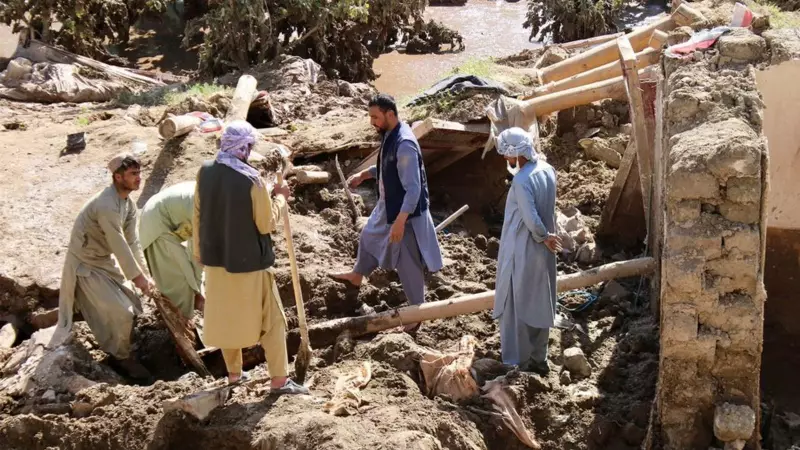
Beyond the tragic loss of life, the floods have caused immense material damage. Thousands of homes have been completely destroyed, leaving survivors without shelter. Critical infrastructure has been washed away, including roads and bridges, which is severely hampering rescue and relief operations. Farmlands have been submerged, and livestock has been lost, dealing a crippling blow to livelihoods in the agrarian region.

Rescue Efforts and Humanitarian Crisis
Emergency response teams, including military personnel and local volunteers, are racing against time to search for survivors trapped under mud and debris. The scale of the destruction, however, is overwhelming existing capacities. The destruction of roads is making it extremely difficult to reach isolated villages and deliver much-needed aid.
This disaster compounds an already dire humanitarian situation in Afghanistan. The country has been grappling with severe economic hardship since the Taliban takeover in 2021 and the subsequent withdrawal of much international aid. The floods have now displaced thousands of families, creating an urgent need for food, clean water, medical supplies, and temporary shelter.
A Nation Vulnerable to Climate Shocks
The catastrophic event underscores Afghanistan's acute vulnerability to climate change and extreme weather events. The nation, which has contributed minimally to global greenhouse gas emissions, is ranked among the countries most at risk from climate change impacts. Experts note that a lack of proper infrastructure, early warning systems, and disaster preparedness exacerbates the damage from such natural hazards.
International aid organizations are assessing the damage and mobilizing support. The United Nations and various NGOs are expected to play a crucial role in the coming days to provide emergency assistance to the affected populations. The long-term recovery for the devastated communities will be a monumental challenge, requiring significant reconstruction and sustained support.