Afghanistan-Pakistan Border Erupts in Open Conflict, Sparking Regional Alarm
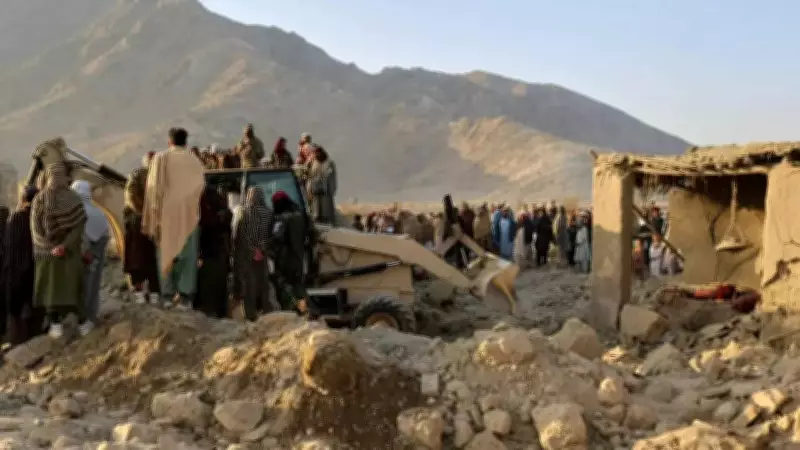
On February 27, the Afghanistan-Pakistan border transformed into a volatile front line, marking a dramatic escalation in tensions between the two neighbors. In Kabul, residents described night skies illuminated by jets and explosions, signaling a shift from sporadic skirmishes to declared open warfare.
Eyewitness Accounts of the Escalation
A taxi driver named Tamim recounted to Reuters how he was jolted awake by the sound of an aircraft, followed by bombs striking what appeared to be a weapons depot. "We woke up, and the plane came and dropped two bombs, then flew away again. After that, we heard explosions," Tamim said. He added that panic ensued as people fled their homes, with ammunition in the depot continuing to detonate spontaneously.
In Islamabad, Pakistan's Defence Minister Khawaja Muhammad Asif made a stark announcement, declaring that a threshold had been crossed. "Our cup of patience has overflowed. Now it is open war between us and you (Afghanistan)," he stated. In a separate post on X, Asif reinforced this message, framing the escalation as the end of forbearance: "Our patience has now run out. Now it is open war between us."

Across the border, the Taliban responded with defiance, signaling that Afghanistan's new government is not only willing to absorb punishment but also to advertise retaliation. According to Afghanistan's defence ministry and a government spokesperson, the Afghan Taliban "successfully conducted" air strikes using drones to hit military targets in Pakistan, showcasing their capability to strike back.
Why This Conflict Matters
This is not merely another border skirmish; it risks locking the two neighbors into a wider fight along their 2,600-kilometer frontier. Both sides have issued casualty claims that Reuters and AP reported could not be independently verified, adding to the uncertainty and potential for misinformation.
- Pakistan possesses far stronger conventional military capabilities, but the Taliban bring years of insurgent experience and can quickly raise the political temperature inside Afghanistan by framing the conflict as a sovereignty fight.
- Regional powers are already mobilizing in response. China publicly urged restraint and a ceasefire, expressing "deep concern about the escalation of the conflict," while Iran offered to "facilitate dialogue" between the parties.
Zoom In: The Five Key Drivers of the Conflict
1) The TTP Question: Sanctuary, Denials, and Retaliation Logic
At the heart of the conflict lies the Tehreek-e-Taliban Pakistan (TTP), an insurgent movement aiming to topple the Pakistani state. Pakistan accuses the TTP of finding shelter on Afghan soil and staging attacks back into Pakistan. Reuters described the dispute as rooted in "a long-running dispute over Pakistan's accusation that Afghanistan harbours militants carrying out attacks inside Pakistan."
The Taliban deny these allegations and attempt to shift responsibility, arguing that Pakistan's security issues are internal governance failures. For Islamabad, this denial is strategically unacceptable, pushing military logic toward cross-border strikes, especially amid rising domestic pressure after major attacks.
Stark numbers highlight the urgency: one Pakistani research group recorded 699 terrorist attacks in 2025, killing 1,034 people—a jump of over 30% in incidents and 20% in fatalities compared to the previous year. Another think tank noted 2025 as Pakistan's deadliest year in a decade, with most violence driven by terrorist outfits like the TTP.
2) The Border Itself: Sovereignty Disputes on the Durand Line
Pakistan and Afghanistan share a 2,600-kilometer frontier with a history of protracted conflict. The Durand Line, drawn in the colonial era, has long been disputed by Afghan governments, and the Taliban's state inherits this ambiguity. When Pakistan's strikes reportedly reached into Kabul and Kandahar, they targeted Taliban installations directly, marking a shift from hitting suspected militant camps to engaging government targets—an argument about sovereignty conducted by force.

Taliban spokesperson Zabihullah Mujahid confirmed the strikes, turning Pakistan's actions into a violation to be avenged. Retaliation becomes almost mandatory for a movement that sells itself as the guardian of Afghan independence after decades of foreign intervention.
3) Regime Legitimacy: Proving Strength at Home
Both governments are using the conflict to bolster their domestic positions. Pakistan's military, facing rising militant violence and public anger, needs to demonstrate control and deterrence. The Taliban, governing a poor country struggling for international legitimacy, need to project that they cannot be bullied by a distrusted neighbor.
Language like "open war" serves as an internal message, showing a government's willingness to escalate. In Afghanistan, defiance against Pakistan can serve as a nationalist credential, rallying support around sovereignty rather than governance issues.
4) The India Factor: Suspicion and Fear of Encirclement
A thread running through Pakistan's argument is that the Taliban are flirting with Pakistan's principal rival, India. Defence Minister Asif alleged that the Taliban had turned Afghanistan "into a colony of India," framing the conflict as part of a broader geopolitical plot. This feeds Pakistan's classic security anxiety of encirclement, with warming ties between Kabul and New Delhi intensifying suspicions that militant pressure is coordinated.
As Michael Kugelman wrote in Foreign Affairs, this belief shapes policy, making restraint politically costly when states assume hostile alignment.
5) Refugees, Trade, and Leverage: Economic and Human Pressure Points
Beneath the gunfire lie significant human and economic pressures. Pakistan's deportations and crackdowns on Afghans in recent years have created resentment and political tinder on both sides. Trade is another critical pressure point; Afghanistan seeks access to regional commerce, but Pakistan controls key routes and crossings. When relations sour, borders close, supply chains seize, and coercive tactics can create the very insecurity they aim to prevent, especially as armed groups exploit the chaos.
What's Next: The Path Forward
A full-scale conventional war remains unlikely, given the disparity in capabilities and Pakistan's larger forces. However, the danger lies in a pattern of strikes, retaliation, and deniable militant violence, leading to a prolonged conflict with intermittent spikes. Both sides believe backing down could invite more attacks, perpetuating a cycle of escalation that threatens regional stability.
This conflict underscores the fragile dynamics at play in South Asia, where historical grievances, militant sanctuaries, and geopolitical rivalries converge to create a volatile mix. As regional powers call for dialogue, the immediate future hinges on whether diplomacy can prevail over military posturing.